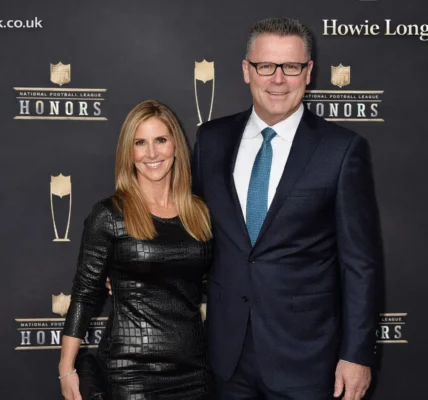
Liesel Jolly: A Leading Voice in Women’s Football and Sports Sponsorship

Introduction
Liesel Jolly has become an increasingly recognized figure in the world of sports sponsorship, leadership, and women’s football development. As the global popularity of women’s sports continues to rise, professionals who work behind the scenes to create opportunities, liesel jolly build partnerships, and drive investment have become just as important as the athletes themselves. Among these influential leaders, Liesel Jolly stands out for her commitment to supporting the growth of women’s football and creating meaningful programs that help athletes succeed on and off the field.
Over the past several years, women’s football has experienced unprecedented growth. Attendance records have been broken, television audiences have expanded, and major brands have increased their investment in the sport. liesel jolly Behind this transformation are leaders who understand how to connect commercial objectives with long-term social impact. Liesel Jolly has built a reputation as one of those professionals. Her work demonstrates how strategic sponsorships can help advance equality, increase visibility, and create sustainable opportunities for future generations of female athletes.
Who Is Liesel Jolly?
Liesel Jolly is widely known for her work in sports sponsorship and women’s football initiatives. Throughout her professional career, she has focused on developing partnerships that not only benefit organizations and brands but also contribute to the broader advancement of women’s sports. Her expertise lies in sponsorship strategy, liesel jolly stakeholder engagement, marketing activation, and athlete-focused programs.
Unlike many executives who remain largely behind the scenes, Jolly has gained attention because of her involvement in projects designed to create meaningful change. Her work reflects a belief that sponsorship should extend beyond logos and advertising. Instead, liesel jolly she views partnerships as tools that can help athletes access resources, improve development pathways, and strengthen the overall sporting ecosystem.
Her professional journey highlights the increasing importance of purpose-driven leadership. As sports organizations seek ways to balance commercial growth with social responsibility, leaders like Jolly provide a model for how both goals can be achieved simultaneously.
Early Career and Professional Development
Although detailed information about Liesel Jolly’s personal background is not widely available, her professional achievements suggest years of experience within marketing, sponsorship, and partnership management. Building a successful career in sports sponsorship requires a deep understanding of business strategy, consumer engagement, event management, and relationship building.
Early in her career, Jolly developed expertise in managing partnerships that connected brands with sports properties. This type of work demands the ability to understand multiple stakeholder needs while delivering measurable results. It involves creating campaigns that resonate with audiences while ensuring that sponsorship investments achieve their intended objectives.
Her experience across different areas of marketing and sponsorship helped shape the leadership skills she would later apply to women’s football initiatives. These experiences also provided valuable insights into how sports organizations and corporate partners can collaborate effectively to achieve shared goals.
The Growing Importance of Sports Sponsorship
Sports sponsorship has evolved dramatically over the past two decades. In the past, sponsorship often focused primarily on visibility through signage, advertising, and branding opportunities. Today, sponsors expect deeper engagement with fans and more meaningful connections with the communities they serve.
Liesel Jolly’s work reflects this modern approach to sponsorship. Successful partnerships now require authentic storytelling, community engagement, digital activation, and measurable impact. Organizations are increasingly expected to demonstrate how their investments contribute to positive outcomes beyond simple brand awareness.
This shift has been especially important in women’s sports. As brands recognize the growing popularity of women’s football, they seek partnerships that align with values such as diversity, inclusion, empowerment, and equality. Sponsorship professionals play a critical role in helping organizations design initiatives that deliver value for both businesses and athletes.
The transformation of sponsorship has created new opportunities for women’s football to secure funding, increase exposure, and develop stronger infrastructures. Leaders like Jolly have been instrumental in helping organizations navigate this evolving landscape.
Liesel Jolly’s Role in Women’s Football
One of the defining aspects of Liesel Jolly’s career is her involvement in initiatives that support women’s football. The sport has experienced remarkable growth in recent years, with major international tournaments attracting millions of viewers worldwide. However, continued progress requires investment, leadership, and strategic planning.
Jolly has contributed to efforts aimed at strengthening the women’s game through sponsorship and development programs. Her work focuses on ensuring that athletes have access to opportunities that can help them achieve their potential. This includes supporting initiatives that provide visibility, resources, mentorship, and professional growth opportunities.
Women’s football faces unique challenges compared to many established men’s competitions. Issues such as funding disparities, limited exposure in certain markets, and unequal access to resources remain concerns across the industry. Leaders working in this space understand the importance of addressing these challenges through collaboration and innovation.
By supporting programs that focus on sustainable growth, Jolly has helped contribute to a stronger foundation for women’s football. Her work demonstrates how commercial partnerships can become catalysts for positive change throughout the sport.
Supporting Female Athletes Beyond Competition
Modern sports organizations increasingly recognize that athletes need support beyond their performances on the field. Professional success depends on a combination of physical, mental, educational, and financial development. As a result, athlete-centered programs have become an important focus across the sporting world.
Liesel Jolly has been associated with initiatives that emphasize athlete development and empowerment. These programs often provide resources designed to help athletes build skills, navigate professional challenges, and prepare for life after competition. Such efforts reflect a broader understanding of athlete well-being and long-term success.
Supporting athletes holistically can have significant benefits. Players who receive guidance, mentorship, and educational opportunities are often better equipped to manage the demands of professional sport. They are also more likely to transition successfully into leadership roles, coaching positions, or careers outside athletics.
By promoting initiatives that prioritize athlete development, Jolly has helped highlight the importance of investing in individuals rather than focusing solely on competition results. This approach contributes to a healthier and more sustainable sporting environment.
Leadership Style and Professional Philosophy
Leadership within the sports industry requires more than technical expertise. Successful leaders must be able to inspire teams, build partnerships, manage change, and communicate a clear vision. Liesel Jolly’s professional reputation suggests a leadership style centered on collaboration, innovation, and purpose.
One of the hallmarks of effective sponsorship leadership is the ability to bring together diverse stakeholders. Sports organizations, athletes, sponsors, agencies, media partners, and governing bodies often have different priorities. Coordinating these interests requires strong communication skills and a commitment to shared objectives.
Jolly’s work demonstrates the value of long-term thinking. Rather than focusing solely on immediate outcomes, she appears committed to creating programs that generate lasting benefits for athletes and organizations alike. This perspective is increasingly important in an industry where sustainable growth depends on strategic planning and responsible leadership.
Her emphasis on partnership and collaboration has helped establish her as a respected voice within sports sponsorship and women’s football circles.
Advancing Equality and Inclusion Through Sport
Equality and inclusion have become central themes in modern sports development. While significant progress has been made in expanding opportunities for women, ongoing efforts remain necessary to address barriers that still exist in many areas of sport.
Liesel Jolly’s work aligns closely with initiatives that promote greater equality within football and the broader sports industry. Sponsorship programs designed to support women’s participation often focus on increasing visibility, creating leadership opportunities, and encouraging investment in female athletes.
The impact of these efforts extends far beyond professional competition. Increased representation in sport can inspire young people, challenge outdated perceptions, and create pathways for future generations. Women who see successful athletes, coaches, executives, and leaders are more likely to believe that similar opportunities are available to them.
Inclusive sports environments also benefit organizations and communities. Diversity encourages innovation, strengthens decision-making, and broadens audience engagement. Leaders who advocate for inclusion help ensure that sport remains accessible and welcoming to people from all backgrounds.
The Commercial Growth of Women’s Sports
The rapid expansion of women’s sports has become one of the most significant trends in the global sports industry. Television ratings, sponsorship revenue, merchandise sales, and fan engagement have all increased dramatically in recent years. Women’s football has been at the forefront of this growth.
Liesel Jolly has operated within this exciting period of transformation. As brands increasingly recognize the value of women’s sports audiences, sponsorship professionals have new opportunities to create innovative partnerships that benefit both commercial partners and sporting organizations.
The growth of women’s sports is driven by several factors, including improved media coverage, increased investment, stronger storytelling, and changing consumer expectations. Fans are seeking authentic connections with athletes and teams, while sponsors are looking for opportunities that align with modern values.
Professionals who understand these trends are helping shape the future of the industry. Through strategic partnerships and athlete-focused initiatives, leaders like Jolly contribute to the continued expansion of women’s sports on a global scale.
Industry Recognition and Influence
As her professional profile has grown, Liesel Jolly has gained recognition for her contributions to sponsorship marketing and women’s football development. Recognition within the sports industry is often earned through a combination of results, innovation, and leadership.
Colleagues and industry observers frequently highlight the importance of her work in creating opportunities for athletes and advancing women’s football initiatives. Her reputation reflects an ability to balance commercial objectives with meaningful social impact, a quality that has become increasingly valuable in today’s sports environment.
Influential professionals often shape conversations that extend beyond their immediate responsibilities. By contributing to discussions about sponsorship, athlete development, and equality, Jolly helps influence how organizations approach these critical issues. Her work demonstrates that business success and positive social outcomes can reinforce one another rather than compete for attention.
As women’s football continues to evolve, experienced leaders who understand both the commercial and developmental aspects of the sport will remain highly influential.
The Future Legacy of Liesel Jolly
The future of women’s football appears exceptionally bright. Continued investment, growing fan interest, and expanding professional opportunities are creating momentum that is likely to shape the sport for decades to come. Within this environment, leaders who have contributed to its growth will play an important role in defining its legacy.
Liesel Jolly’s career reflects many of the qualities that have driven progress within women’s sports. Her focus on sponsorship innovation, athlete development, partnership building, and equality has positioned her as an important figure within the industry. As organizations continue to invest in women’s football, her experience and leadership will remain highly relevant.
Future developments in the sport may bring new opportunities for collaboration, technology integration, and global expansion. Professionals with a strong understanding of both business strategy and social impact will be essential in navigating these changes. Jolly’s career suggests that she will continue to contribute to these conversations and initiatives.
Conclusion
Liesel Jolly has established herself as a respected leader in sports sponsorship and women’s football development. Through her work in partnership strategy, athlete-focused programs, and initiatives that promote equality, she has contributed to the ongoing growth of women’s sports and helped create opportunities for athletes around the world.
Her career illustrates how modern sponsorship extends beyond traditional marketing and can serve as a powerful tool for positive change. By combining commercial expertise with a commitment to inclusion and athlete empowerment, Jolly represents a new generation of sports leaders who understand the broader impact of their work.
As women’s football continues to reach new audiences and achieve greater commercial success, the contributions of professionals like Liesel Jolly will remain an important part of the sport’s story. Her leadership, vision, and dedication to meaningful progress ensure that her influence will continue to be felt throughout the industry for years to come.