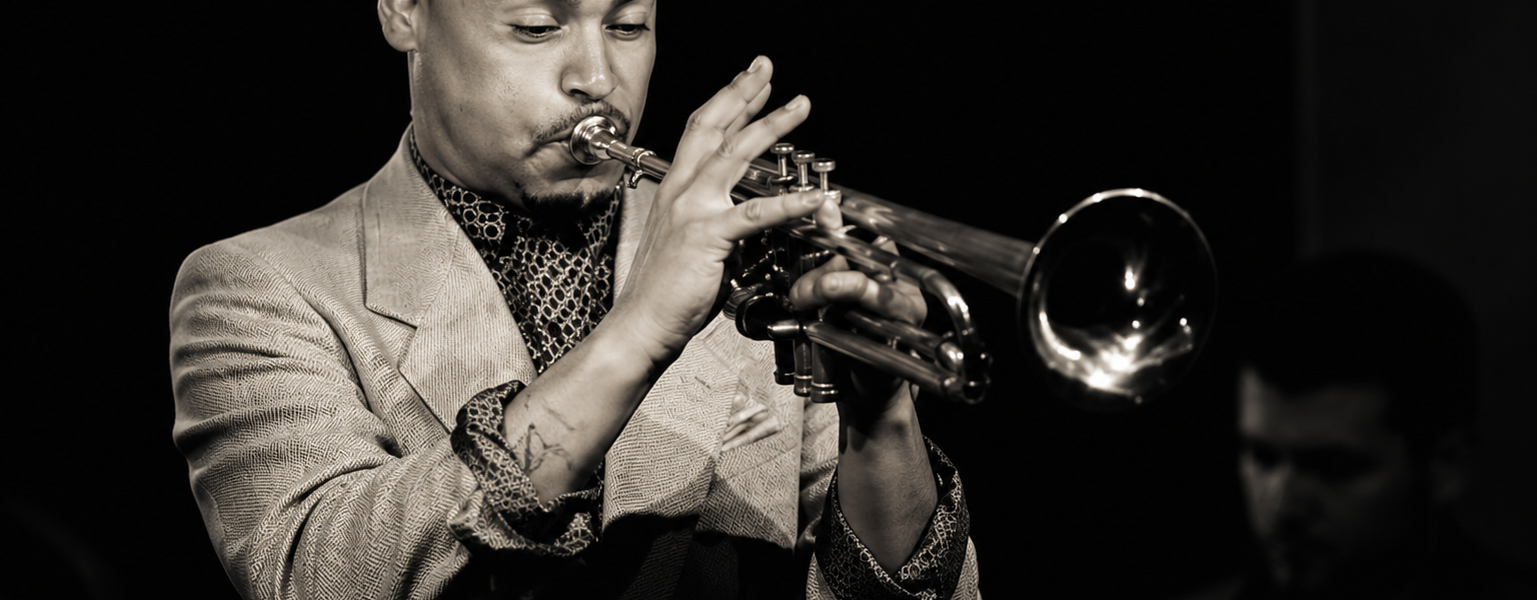
Jay Phelps: The Journey, Music, and Legacy of an Influential Jazz Trumpeter

jay phelps always thrived on innovation, personal expression, and the ability of musicians to transform their experiences into memorable performances. Among the artists who embody these qualities is Jay Phelps, a Canadian-born trumpeter, composer, educator, and bandleader who has earned recognition for his energetic playing style and dedication to preserving and advancing jazz traditions. Over the years, he has established himself as one of the most respected contemporary trumpet players working in the British and international jazz scenes.
Phelps is admired not only for his technical mastery but also for his willingness to explore diverse musical influences while maintaining a strong connection to classic jazz roots. jay phelps His career spans performances at prestigious festivals, collaborations with renowned musicians, acclaimed recordings, and educational activities aimed at inspiring younger generations. Through decades of artistic growth, he has remained committed to creating music that resonates emotionally with listeners and reflects the constantly evolving nature of jazz.
Early Life and Childhood Influences
Jay Phelps was born in Vancouver, Canada, where he spent his formative years surrounded by a culturally diverse environment that encouraged artistic exploration. Music became an important part of his life from an early age, and he quickly developed a fascination with the trumpet. Encouraged by teachers, mentors, jay phelps and family members, he devoted countless hours to practicing and studying the techniques of some of the greatest trumpet players in jazz history.
As a teenager, Phelps demonstrated exceptional talent and maturity beyond his years. His abilities as both an instrumentalist and organizer allowed him to become the youngest bandleader ever featured at the jay phelps Vancouver International Jazz Festival. This accomplishment marked an important milestone and signaled the beginning of a promising musical journey. During this period, he immersed himself in recordings by legendary jay phelps artists, carefully analyzing their phrasing, tone, and improvisational approaches.
The influence of musicians such as Louis Armstrong, Clifford Brown, Fats Navarro, Freddie Hubbard, and Miles Davis helped shape his artistic identity. While he admired their accomplishments, he also sought to discover his own voice. Rather than imitating established styles, he focused on understanding the emotional qualities that made these performers so influential, an approach that later became central to his own music.
Relocating to London and Entering the British Jazz Community
In 1999, at just seventeen years old, Jay Phelps moved from Canada to London, England. The relocation represented a significant change in his personal and professional life. London had become one of Europe’s most important jazz centers, offering opportunities to perform alongside experienced musicians and participate jay phelps in a thriving cultural scene.
Shortly after arriving, Phelps became involved with the renowned Tomorrow’s Warriors program, an organization dedicated to supporting emerging jazz talent. Under the mentorship of bassist and educator Gary Crosby, he gained valuable experience performing with seasoned musicians and learning the practical aspects jay phelps of sustaining a professional career.
The London jazz scene exposed him to artists from many musical traditions, including Caribbean music, African rhythms, funk, soul, and contemporary improvisation. These experiences expanded his creative outlook and encouraged him to experiment with new ideas. Performing regularly in clubs and concert halls allowed him jay phelps to refine his stage presence and establish meaningful connections within the music industry.
Musical Education and Technical Development
While actively performing, Phelps also pursued formal studies at Trinity College of Music in London. There, he specialized in Jazz Theory and Performance and graduated with honours. Academic training strengthened his understanding of harmony, arranging, composition, and ensemble communication.
Studying in an educational environment provided opportunities to collaborate with talented peers and learn from accomplished instructors. It also allowed him to balance practical performance experience with theoretical knowledge, creating a well-rounded foundation for his future projects. He developed an appreciation for the importance of discipline, preparation, and continuous learning.
Throughout his studies, Phelps remained committed to cultivating a distinctive trumpet sound. Musicians and critics frequently describe his tone as warm, vibrant, and expressive. He has often emphasized that technical proficiency alone is insufficient in jazz and that true artistry comes from communicating emotions and personal experiences through music.
Becoming a Founding Member of Empirical
One of the defining moments in Jay Phelps’ professional career was his involvement in forming the acclaimed British jazz ensemble Empirical. The group emerged during a period when younger musicians were revitalizing interest in modern jazz and exploring innovative approaches to composition and improvisation.
Empirical quickly attracted attention because of its sophisticated arrangements, collective creativity, and dynamic live performances. The band’s music combined traditional hard bop influences with contemporary ideas and rhythmic elements inspired by African and Caribbean musical cultures. Their debut recordings received praise from critics who appreciated the ensemble’s originality and technical excellence.
As a founding member, Phelps contributed significantly to the group’s artistic direction. Touring extensively across Europe allowed the band to reach broader audiences and demonstrate that jazz remained a vibrant and evolving art form. The experience also helped Phelps strengthen his abilities as a composer and collaborative performer.
Collaborations with Internationally Acclaimed Artists
Jay Phelps has enjoyed a career filled with collaborations involving musicians from different genres and generations. Sharing the stage with respected artists enabled him to gain new perspectives and adapt his playing style to diverse musical situations. These experiences enriched his understanding of performance and reinforced his reputation as a versatile trumpeter.
His collaborators have included Wynton Marsalis, George Benson, Hugh Masekela, Courtney Pine, Jean Toussaint, Jamie Cullum, Dennis Rollins, and Andrew Hill. Each partnership offered unique opportunities to learn from established performers while contributing his own creative ideas.
Phelps also worked with artists outside traditional jazz circles, including Amy Winehouse, Charlotte Church, Sam Moore, and Wizkid. His association with Amy Winehouse attracted particular attention after she invited him to join her touring ensemble. Although he ultimately focused on pursuing his independent projects, the invitation reflected the respect he had earned among musicians from various backgrounds.
These collaborations demonstrate his ability to move comfortably between straight-ahead jazz, soul, pop, Afrobeat, and other musical styles. Such adaptability has become one of his defining strengths and has contributed to his enduring appeal among audiences worldwide.
Solo Projects and Recording Career
After years of contributing to collaborative ensembles, Jay Phelps increasingly devoted attention to developing his own artistic projects. His debut album, Jay Walkin’, introduced listeners to a musician interested in balancing tradition with innovation. The recording showcased original compositions alongside thoughtfully arranged interpretations of existing material.
The album highlighted his strengths as a composer and bandleader. Critics praised its melodic richness, rhythmic sophistication, and strong ensemble interaction. The project demonstrated that Phelps possessed a creative vision extending beyond instrumental performance and could successfully lead his own groups.
Another important release, Free As The Birds, represented a deeply personal chapter in his career. The album emerged after a difficult period during which an injury temporarily prevented him from playing the trumpet. Unable to perform for some time, he redirected his energy toward writing and reflecting on his artistic priorities.
The resulting music combined elements of bossa nova, contemporary jazz, soul, and free improvisation. Many listeners appreciated the album’s emotional depth and sense of openness. It revealed an artist willing to transform adversity into inspiration and use challenging experiences as opportunities for creative renewal.
Artistic Style and Influences
Jay Phelps’ musical style reflects a deep appreciation for jazz history while embracing modern influences. He often acknowledges Louis Armstrong, Clifford Brown, Miles Davis, Freddie Hubbard, and Fats Navarro as important inspirations. Their impact can be heard in his lyrical phrasing, powerful articulation, and commitment to expressive storytelling.
However, Phelps avoids simply recreating the sounds of previous generations. Instead, he integrates contemporary elements into his performances and compositions. Afrobeat grooves, funk rhythms, Latin textures, and soulful melodies frequently appear in his work, creating music that feels both familiar and fresh.
Improvisation occupies a central role in his artistic philosophy. He believes that spontaneous interaction among musicians is essential to keeping jazz alive and relevant. By allowing performances to evolve naturally, he ensures that each concert offers audiences a unique experience.
Listeners often praise his ability to communicate emotion through subtle tonal variations and carefully shaped melodic lines. Whether performing energetic hard bop compositions or introspective ballads, he maintains a strong connection with audiences and demonstrates an understanding of jazz as a language of human expression.
Educational Work and Mentorship
Beyond performing and recording, Jay Phelps has dedicated considerable effort to music education and mentorship. Having benefited from guidance provided by experienced musicians during his own development, he understands the importance of supporting emerging artists.
He regularly participates in workshops, masterclasses, and educational programs designed to encourage young musicians to pursue creative careers. His teaching philosophy emphasizes listening, curiosity, discipline, and the development of individual artistic voices. Rather than focusing solely on technical exercises, he encourages students to think critically about musical communication and emotional authenticity.
Phelps believes that jazz education should remain accessible and inclusive. He has spoken about the need to introduce wider audiences to jazz and challenge misconceptions that the genre is difficult to understand. Through educational initiatives, he hopes to inspire future generations to appreciate the richness and diversity of improvisational music.
His willingness to share experiences from his own journey has made him a respected mentor within the jazz community. Many younger performers view his career as evidence that dedication, persistence, and artistic integrity can lead to meaningful professional opportunities.
Celebrating Miles Davis and Exploring Jazz History
One of Jay Phelps’ most admired projects focuses on celebrating the legacy of Miles Davis. Recognizing Davis as one of the most transformative figures in jazz history, Phelps developed performances inspired by landmark recordings such as Kind of Blue and the influential 1958 sessions.
These tribute concerts are not intended as simple recreations of historical material. Instead, Phelps seeks to honor the spirit of experimentation that defined Davis’ career. By presenting familiar compositions through fresh interpretations, he encourages audiences to engage with jazz history while appreciating its continuing relevance.
The performances have received positive responses from both longtime jazz enthusiasts and newcomers to the genre. Audiences value the opportunity to hear classic repertoire interpreted by musicians who understand its historical significance and are capable of adding contemporary perspectives.
Through these projects, Phelps demonstrates that preserving jazz traditions does not require abandoning innovation. He believes that understanding the past provides artists with the confidence to create meaningful new work, ensuring that jazz remains a living and constantly evolving cultural force.
The Continuing Legacy of Jay Phelps
Today, Jay Phelps continues to tour internationally, compose original music, and participate in collaborative projects that challenge artistic boundaries. Decades after leaving Canada for London, he remains committed to expanding his musical horizons and engaging with audiences from different backgrounds.
His career serves as an example of how determination, education, and openness to new experiences can shape a successful artistic journey. By embracing opportunities for collaboration, maintaining respect for jazz traditions, and remaining true to his creative instincts, he has built a body of work that resonates with listeners around the world.
Phelps’ influence extends beyond recordings and live performances. He represents a generation of musicians who view jazz not merely as entertainment but as a means of communication, cultural exchange, and personal exploration. His contributions continue to inspire performers, educators, and fans who appreciate music created with sincerity and passion.
Conclusion
Jay Phelps has earned recognition as one of the leading trumpet players of his generation through talent, perseverance, and an unwavering commitment to artistic authenticity. From his early achievements in Vancouver to his emergence as a respected figure within the British jazz scene, his journey illustrates the rewards of pursuing creative excellence with dedication and curiosity.
His work with Empirical, collaborations with internationally renowned artists, solo recordings, educational efforts, and tribute projects dedicated to Miles Davis all demonstrate the breadth of his accomplishments. More importantly, they reveal an artist who continues to evolve while honoring the traditions that inspired him.
As jazz moves forward in the twenty-first century, Jay Phelps remains an important voice within the genre. His music bridges generations, cultures, and musical styles, reminding audiences that jazz thrives when musicians embrace both history and innovation. Through his performances, compositions, and mentorship, he continues to leave a lasting impact on the global jazz community and ensures that his artistic legacy will endure for many years to come.