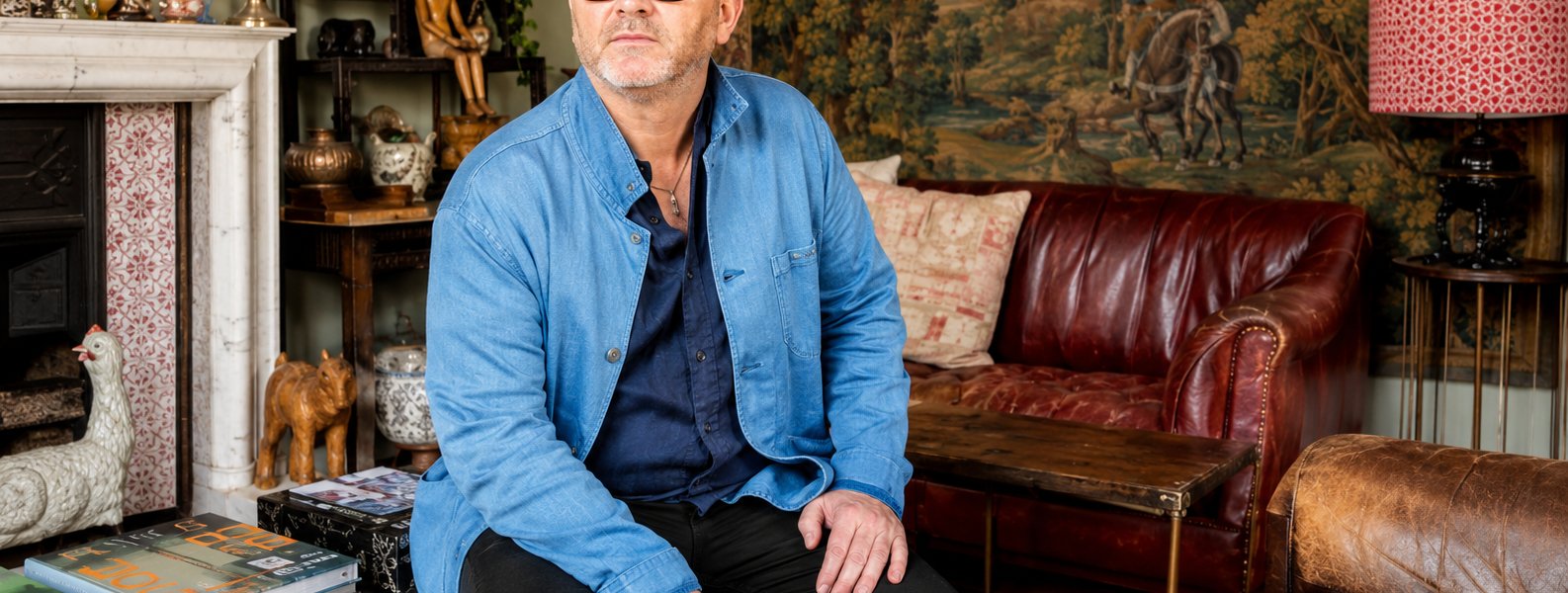
Drew Pritchard: From Architectural Salvage Expert to Television Star

Drew Pritchard has become one of the most recognizable personalities in the British antiques industry. Best known as the presenter of Salvage Hunters, he has spent more than three decades buying, restoring, and selling antiques, architectural salvage, and decorative objects from across the United Kingdom and Europe. His ability to identify overlooked treasures and transform them into desirable pieces for collectors and interior designers has earned him a loyal following among antique enthusiasts and television viewers alike.
Over the years, public interest in Drew Pritchard has grown far beyond his professional achievements. Fans regularly search for information about his early life, antiques business, television career, family background, personal relationships, and net worth. At the same time, collectors and aspiring dealers look to him for inspiration and guidance on how to navigate the competitive world of antiques and architectural salvage. His story demonstrates how passion, expertise, and dedication can turn a childhood fascination into an internationally recognized brand.
Early Life and Childhood Interests
Drew Pritchard was born in 1970 in Conwy, North Wales, an area rich in history and medieval architecture. Growing up in North Wales exposed him to historic buildings, traditional craftsmanship, and centuries-old design influences from an early age. Unlike many people who discover antiques later in life, Pritchard developed an appreciation for old objects during his childhood.
His father played an important role in nurturing this interest. Family outings often involved visits to scrap yards, flea markets, and auctions where discarded objects could be examined and collected. Young drew pritchard quickly became fascinated by vintage bicycles, mechanical parts, enamel signs, and maritime memorabilia. He learned that items considered useless by one person could hold significant value for someone else.
These experiences encouraged him to look beyond an object’s condition and focus instead on craftsmanship, rarity, and historical significance. This mindset eventually became one of the defining characteristics drew pritchard of his career as an antiques dealer and salvage expert.
Training as a Stained Glass Restorer
Before entering the antiques trade professionally, Drew Pritchard trained as a stained glass conservator and restorer. Working with stained glass required precision, patience, and a deep understanding of traditional techniques used by craftsmen in previous centuries.
The restoration process exposed him to churches, historic estates, and period properties throughout Britain. He spent years studying decorative details, architectural features, and historic materials.drew pritchard This practical experience helped him understand how old buildings evolved over time and why preserving original elements was so important.
His knowledge of stained glass restoration also sharpened his eye for quality workmanship. He learned to identify subtle differences between authentic period pieces and modern reproductions.drew pritchard These skills later proved invaluable when sourcing antiques and negotiating purchases.
Entering the Antiques and Salvage Trade
During the early 1990s, Drew Pritchard began trading antiques on a full-time basis. At first, he focused primarily on architectural salvage, purchasing items removed from old buildings slated for renovation or demolition. These pieces included doors, fireplaces, church fittings, cast-iron railings, lighting fixtures, and reclaimed timber.
Architectural salvage differs from traditional antiques dealing because many objects show signs of wear and previous use. Instead of viewing scratches, dents, and faded finishes as flaws, Pritchard considered them evidence of history and authenticity. He developed a reputation for recognizing beauty in aged materials and overlooked items.
As his experience increased, he expanded his inventory to include furniture, sculptures, industrial artifacts, mirrors, clocks, and decorative accessories. He traveled extensively across Britain and mainland Europe searching for unusual objects that could appeal to interior designers and private collectors.
The growth of his business allowed him to establish himself as a respected dealer within the antiques community. Buyers appreciated his ability to source pieces that combined practical functionality with aesthetic appeal.
Establishing a Reputation in the Design Industry
Long before becoming a television personality, Drew Pritchard was already well known among interior designers and architects. His approach differed from many conventional antiques dealers who specialized in a narrow category of collectibles.
Pritchard preferred objects with strong visual impact rather than those purchased solely for investment purposes. He believed antiques should be incorporated into everyday living spaces rather than displayed only in museums or private collections.
His understanding of changing design trends also contributed to his success. During the late twentieth century and early twenty-first century, there was increasing demand for reclaimed materials and vintage furnishings in contemporary homes. Industrial-style interiors, converted warehouses, and boutique hotels frequently incorporated salvaged architectural elements.
Pritchard recognized this trend early and sourced inventory that matched evolving consumer tastes. Antique factory lights, distressed wooden cabinets, metal lockers, and reclaimed signage became particularly popular among buyers seeking distinctive interior features.
The Launch of Salvage Hunters
Drew Pritchard’s national profile changed dramatically in 2011 when he became the presenter of Salvage Hunters. Produced for the Quest television channel, the programme follows his travels as he searches for hidden treasures throughout Britain and Europe.
Each episode typically begins with Pritchard visiting private estates, antique centres, workshops, salvage yards, or collectors’ homes. He examines potential purchases, negotiates prices, and arranges transportation for selected items. Viewers later see the restoration process before the objects are offered for sale.
Unlike many antiques programmes that focus primarily on auction results, Salvage Hunters emphasizes the excitement of discovery. The series demonstrates how patience, expertise, and negotiation skills can uncover valuable items in unexpected places.
Audiences quickly responded to the show’s relaxed style and educational content. Rather than presenting antiques as inaccessible luxury goods, the programme encourages viewers to appreciate craftsmanship and consider reusing historic objects in modern settings.
The popularity of the series helped introduce architectural salvage to a much wider audience. Many people who had never previously considered buying antiques became interested in restoration and vintage design after watching the programme.
Working Relationship with John Tee
For many years, one of the most enjoyable aspects of Salvage Hunters was the partnership between Drew Pritchard and John Tee. Often referred to simply as Tee, he accompanied Pritchard on buying trips and assisted with transportation logistics.
Their contrasting personalities created entertaining interactions throughout the series. While Pritchard focused intensely on evaluating potential purchases, Tee often provided humorous observations and practical advice.
Fans appreciated their genuine friendship and natural conversations. The relationship appeared authentic because it was built upon years of working together in the antiques trade.
In recent seasons, Tee reduced his involvement in the programme to spend more time with family members. His departure disappointed some viewers, but the show adapted by introducing other antiques professionals who accompany Pritchard during his travels.
Despite these changes, John Tee remains closely associated with the success of Salvage Hunters and continues to be remembered fondly by longtime fans.
Drew Pritchard’s Antiques Business
Alongside his television commitments, Drew Pritchard continues to operate a successful antiques business. Over the years, his showroom in Conwy became a destination for collectors, decorators, and enthusiasts interested in unusual decorative objects.
His stock regularly includes eighteenth-century furniture, industrial lighting, mid-century modern pieces, ecclesiastical fittings, taxidermy, mirrors, sculptures, and architectural fragments. Every object is selected personally, reflecting his individual taste and design philosophy.
Unlike dealers who purchase inventory based solely on estimated profit margins, Pritchard often chooses pieces because he genuinely admires them. He believes enthusiasm for an object is essential when presenting it to potential buyers.
The internet has significantly changed the antiques trade, and Pritchard has embraced online marketing opportunities. Digital platforms allow customers from around the world to browse available inventory and make purchases without visiting a physical showroom.
This combination of traditional expertise and modern business practices has helped him maintain commercial success despite fluctuations in the antiques market.
Personal Life and Marriage to Rebecca Pritchard
Drew Pritchard’s personal life has attracted considerable media attention. He was married to Rebecca Pritchard, who also appeared on Salvage Hunters as an antiques expert and restoration specialist.
Rebecca contributed extensive knowledge regarding valuations, repairs, and conservation techniques. Her professional insights added another dimension to the programme and helped viewers understand the importance of preserving original features.
Although the couple eventually divorced, they reportedly maintained a professional relationship and continued working together on television projects. Their ability to collaborate despite personal differences earned respect from many viewers.
Pritchard generally prefers to keep his private affairs away from public discussion. As a result, limited verified information exists regarding his current relationships or family circumstances. Numerous online rumors have circulated over the years, but he rarely addresses speculation publicly.
Instead, interviews typically focus on antiques, design trends, restoration projects, and experiences gained through decades in the trade.
Passion for Classic Cars and Motorcycles
Beyond antiques, Drew Pritchard has a well-documented interest in classic vehicles. He collects and restores vintage motorcycles, scooters, and cars, particularly models with distinctive styling and engineering significance.
His automotive interests mirror his philosophy toward antiques. Rather than seeking flawless showroom examples, he appreciates vehicles that retain evidence of their history and previous ownership.
Classic Volkswagen Beetles, vintage Vespas, Porsche sports cars, and British motorcycles have all featured within his collection at various times. Restoring these machines provides another outlet for his appreciation of craftsmanship and mechanical design.
He often explains that collecting should be driven by passion rather than financial speculation. Whether purchasing furniture, lighting, or automobiles, he encourages buyers to select objects they genuinely enjoy.
This perspective resonates with enthusiasts who view collecting as a rewarding hobby rather than simply an investment strategy.
Interior Design Philosophy
Drew Pritchard has developed a distinctive interior design style based on layering objects from different historical periods. He believes rooms should evolve gradually through thoughtful collecting rather than being completed in a single shopping trip.
His interiors frequently combine Georgian furniture, industrial lighting, Victorian mirrors, contemporary artwork, and reclaimed architectural features. This eclectic approach creates spaces with personality and character.
Pritchard argues that antiques provide warmth and individuality that mass-produced furniture often lacks. He encourages homeowners to experiment with vintage pieces regardless of whether their properties are modern apartments or traditional cottages.
Another key element of his philosophy involves sustainability. Reusing existing furniture and architectural components reduces waste and extends the lifespan of well-crafted objects. In an era of increasing environmental awareness, this approach has become particularly relevant.
Many designers now view antiques as environmentally responsible alternatives to newly manufactured products. Pritchard’s television work has helped popularize this concept among mainstream audiences.
Drew Pritchard’s Influence on Modern Antiques Collecting
Few television personalities have had as much impact on public perceptions of antiques as Drew Pritchard. Before Salvage Hunters, architectural salvage was often considered a niche industry known primarily to specialist dealers and restoration professionals.
Today, reclaimed materials and vintage furnishings are widely appreciated by homeowners, designers, and younger collectors. Antique markets have benefited from renewed interest generated by television programmes that showcase the excitement of discovering hidden treasures.
Pritchard’s success demonstrates that expertise remains valuable even in an increasingly digital marketplace. His ability to recognize quality, negotiate effectively, and understand design trends has enabled him to remain competitive for more than thirty years.
Many aspiring dealers cite him as an inspiration because he transformed a personal passion into a thriving business and media career. His journey illustrates the importance of persistence, curiosity, and continuous learning within the antiques industry.
Conclusion
Drew Pritchard has built an impressive career by combining specialist knowledge, entrepreneurial determination, and a genuine appreciation for historic craftsmanship. From his beginnings as a stained glass restorer in North Wales to becoming the internationally recognized host of Salvage Hunters, he has remained committed to preserving and celebrating objects from the past.
His influence extends beyond television entertainment. Through his business ventures, restoration projects, and design philosophy, he has encouraged people to rethink the value of antiques and architectural salvage. By showing that old objects can be both functional and beautiful, he has inspired a new generation of collectors and enthusiasts.
Whether searching through abandoned workshops, negotiating in antique warehouses, or sharing restoration stories with viewers, Drew Pritchard continues to demonstrate that history can be rediscovered in unexpected places. His enduring popularity suggests that appreciation for craftsmanship, authenticity, and timeless design will remain an important part of the antiques world for many years to come.