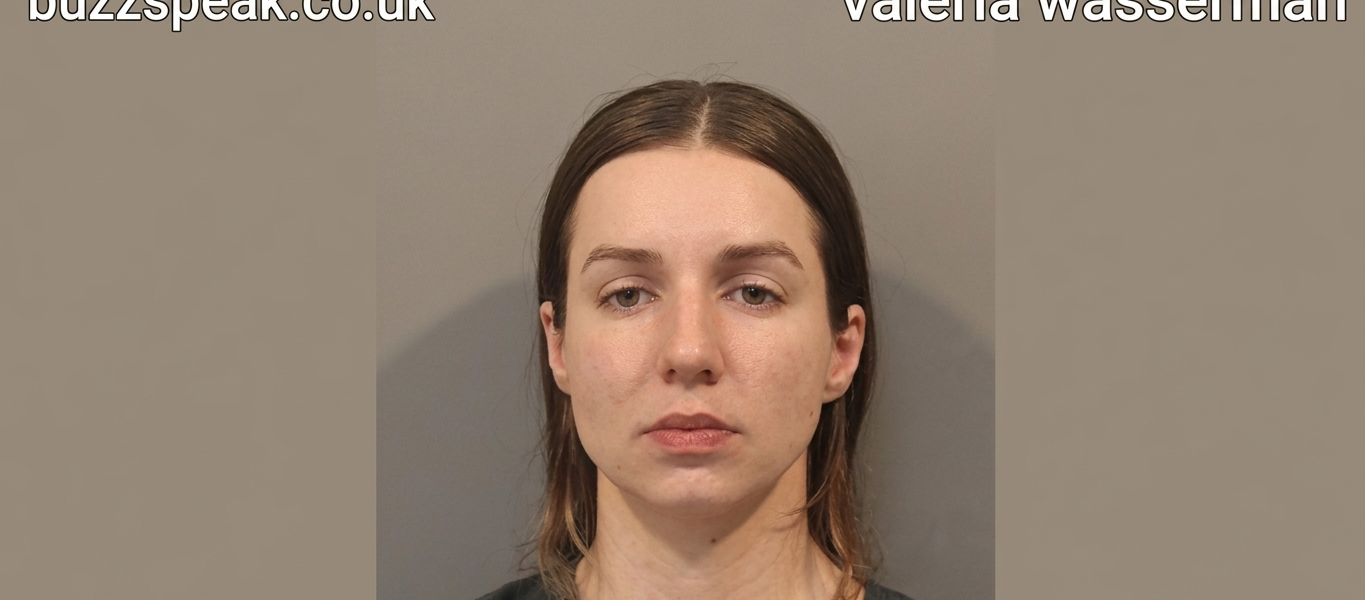
Valeria Wasserman: A Comprehensive Biography of Noam Chomsky’s Wife and Professional Life

Valeria Wasserman Chomsky is a Brazilian translator, legal professional, and the second wife of the globally renowned linguist, philosopher, and political activist Noam Chomsky. While she has largely lived outside the public spotlight for most of her life, her marriage to one of the most cited intellectuals of the modern era brought her into broader public attention. Wasserman’s story is one of academic dedication, linguistic skill, and personal partnership with an iconic figure in global intellectual history. Her life reflects the intersection of language, culture, and personal resilience, offering insights into both her own accomplishments and the dynamics of supporting a world-famous thinker.
Early Life and Academic Foundations
Valeria Wasserman was born in Brazil in 1963, growing up in a culturally rich environment where linguistic diversity was a part of daily life. From a young age, she showed an affinity for languages and communication, which would later become central to her career. Although specific details about her family background remain private, it is clear that her early environment fostered a curiosity about the world and an appreciation for the power of words and ideas. This foundation would shape her academic pursuits and professional trajectory.
In pursuit of higher education, Wasserman enrolled at Universidade Federal Fluminense in 1984 to study law, demonstrating an early interest in the frameworks that govern human society. Simultaneously, she attended Pontifícia Universidade Católica do Rio de Janeiro, where she focused on linguistics and languages, particularly Portuguese and English. These dual academic paths equipped her with both analytical rigor and linguistic proficiency. Her studies laid the groundwork for a career that would eventually bridge legal understanding and linguistic expertise.
Professional Beginnings and Early Career
Wasserman’s professional journey began in the early 1990s with her first role as an investment analyst at Unibanco, one of Brazil’s major banking institutions. This position allowed her to develop analytical and organizational skills in a corporate context, setting the stage for her later work. Her early career also included roles in legal settings, such as serving as a legal claims assistant at the law office of Corey R. Cutler. These experiences reflect a period of exploration and growth as she navigated different professional environments.
Throughout the mid-1990s, Wasserman continued to work in various administrative and assistant roles, including positions at the law offices of Ralph A. Donabed and the National Association of Magazine Publishers. These roles, while diverse, contributed to her broad understanding of organizational operations and communication. In 1995, she expanded her academic credentials with a specialization course in capital market analysis at Universidade de São Paulo, further enhancing her ability to interpret complex texts and data. This combination of legal, corporate, and linguistic experience would later serve her well in her translation career.
Transition to Translation and Cultural Work
By the late 1990s and early 2000s, Valeria Wasserman began to shift her focus more fully toward language and translation, a field that better aligned with her academic background and personal interests. In July 2009, she took on a role as a translator at ArtVentures Cultural Projects and Translations, where she worked on translating research papers, books, and other complex texts between Portuguese and English. This work required not only linguistic skill but also cultural sensitivity and the ability to convey nuanced ideas accurately across languages.
As a translator, Wasserman contributed to a range of projects, including academic and environmental texts, philosophical works, and cultural analyses. Her work helped bridge linguistic divides, making important ideas accessible to broader audiences. Translation, as she practiced it, involves much more than literal word conversion; it demands a deep understanding of context, tone, and intent. Wasserman’s ability to navigate these complexities reflects her expertise and dedication to her craft.
Meeting Noam Chomsky and Their Relationship
Valeria Wasserman’s life took a significant turn when she met Noam Chomsky, the influential linguist and political commentator whose work has shaped fields as diverse as cognitive science, linguistics, and media criticism. Chomsky had been married to his first wife, Carol Doris Chomsky, from 1949 until her death in 2008. In 2014, Valeria Wasserman and Noam Chomsky married, marking the beginning of a partnership that would draw public interest due to Chomsky’s international stature.
Despite a notable age difference between them, their marriage has been characterized by mutual respect and companionship. Wasserman became part of Chomsky’s life at a time when he was already established as one of the most cited scholars alive, known for his critiques of U.S. foreign policy, his contributions to modern linguistics, and his prolific writing. Their relationship highlights how personal and intellectual worlds can intersect, offering a portrait of two individuals united by shared interests in language and ideas.
Public Attention and Media Engagement
While Valeria Wasserman has generally maintained a low public profile, she has occasionally appeared in media narratives, particularly in relation to her husband’s health and well-being. In June 2024, for example, false reports of Noam Chomsky’s death began circulating on social media and in some news outlets. Wasserman publicly refuted these claims, stating clearly that the reports were untrue and that Chomsky was alive and recovering from health challenges. Her response helped correct misinformation and demonstrated her role as a reliable source of information about her husband’s condition.
These moments of media engagement have underscored the delicate balance Wasserman maintains between her private life and the public’s curiosity. While she does not seek the spotlight, her actions in clarifying important matters reflect a commitment to truth and transparency. Her public statements, though infrequent, carry weight because they come from someone close to one of the world’s most influential thinkers.
Personal Life and Family Dynamics
In her personal life, Valeria Wasserman serves not only as a spouse but also as a stepmother to Noam Chomsky’s three children from his first marriage: Aviva, Diane, and Harry Chomsky. These family relationships add another layer to her role within Chomsky’s life, blending personal care with the responsibilities of supporting a blended family. Each of Chomsky’s children has pursued their own path, with Aviva becoming an academic historian and Diane and Harry leading lives outside the public spotlight.
Wasserman’s position within this family structure reflects both continuity and change. She entered a family already shaped by decades of intellectual pursuit and personal history, yet she has carved out her own place within it. Her ability to navigate these dynamics with discretion and care speaks to her personal strength and adaptability.
Contributions to Language and Cultural Exchange
Valeria Wasserman’s work as a translator stands as a significant contribution to cultural exchange and the dissemination of knowledge. Translation plays a vital role in a globalized world, allowing ideas to travel across linguistic boundaries and reach new audiences. Wasserman’s expertise in this field has enabled her to work on texts that span academic, environmental, and philosophical domains, each requiring careful attention to meaning and nuance.
Her contributions go beyond mere linguistic conversion; they involve interpreting context, preserving authorial intent, and making complex concepts accessible to readers in another language. In doing so, Wasserman has helped facilitate dialogue between cultures and academic communities. Her work highlights the importance of translators in shaping how ideas are shared and understood globally.
Legacy and Ongoing Influence
Valeria Wasserman’s legacy is multifaceted, encompassing her professional achievements, her role within a prominent intellectual family, and her personal commitment to truth and communication. While she may not be as widely recognized as her husband, her life and work illustrate the quiet but essential contributions that individuals make behind the scenes of public intellectual life. Her story reflects the value of linguistic skill, cultural understanding, and personal integrity.
As interest in Noam Chomsky’s life and work continues, Valeria Wasserman’s presence remains an integral part of that narrative. Her contributions to translation and her support of Chomsky’s legacy demonstrate how personal dedication can intersect with global intellectual currents. In an age where information flows rapidly across borders, her work reminds us of the enduring importance of careful, thoughtful communication.
Conclusion
Valeria Wasserman’s life reflects a unique combination of professional dedication, linguistic expertise, and personal commitment. As a Brazilian translator with academic training in both law and linguistics, she has built a career centered on communication, interpretation, and cultural exchange. Her work, though often understated in the public domain, plays an important role in bridging language barriers and enabling the flow of ideas across different communities and disciplines.
Her marriage to Noam Chomsky brought her into the global spotlight, yet she has maintained a largely private and grounded presence despite the attention. Through her role as a supportive partner, stepmother, and professional translator, Wasserman demonstrates how individuals can contribute meaningfully both within personal relationships and in broader intellectual contexts. Her story is not defined solely by her association with a famous figure but also by her own steady contributions to language, communication, and cultural understanding.