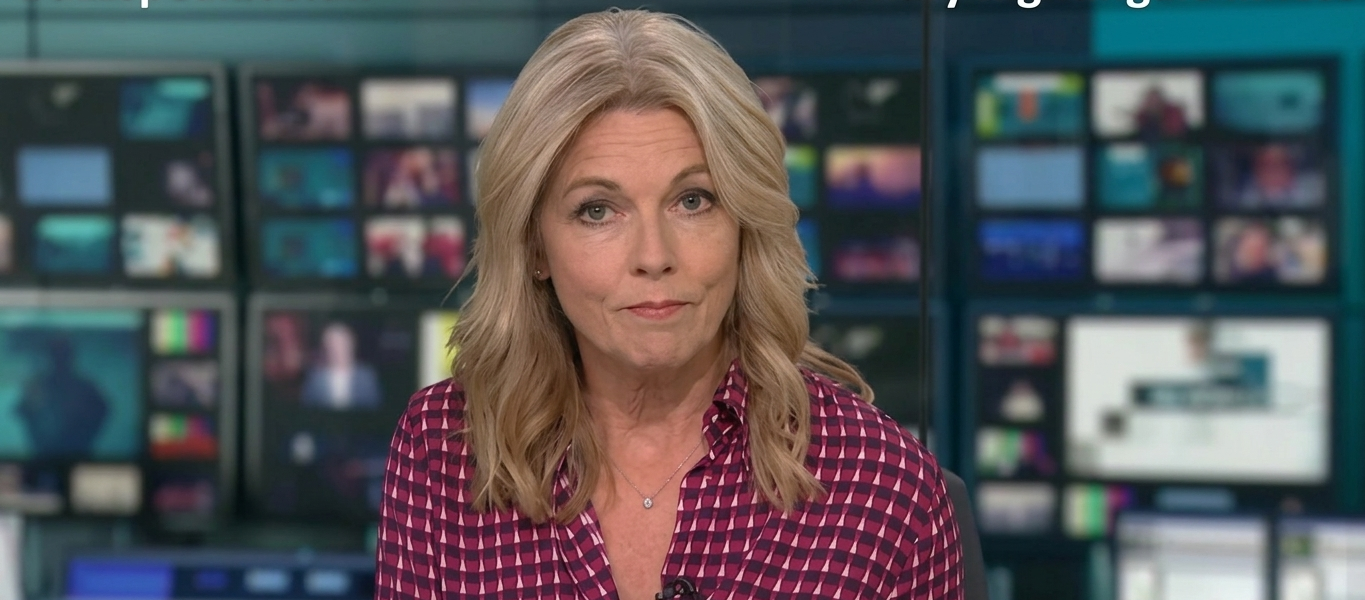

Mary Nightingale Illness is one of the most recognisable figures in British broadcast journalism, known for her long-standing role as the lead presenter of the ITV Evening News. With a career spanning several decades, she has established herself as a trusted and composed voice in delivering national and international news. Her presence on television has been consistent since the early 2000s, and she has become closely associated with reliability and professionalism in journalism.
Born in Scarborough, England, Mary Nightingale pursued English studies at Bedford College, University of London, which laid the foundation for her communication skills. mary nightingale illness She initially worked in financial journalism before transitioning into mainstream broadcasting, where she gained wider recognition. Over time, her career evolved to include high-profile presenting roles, interviews, and coverage of major global events, reinforcing her authority in the media landscape.
Her longevity in a demanding industry has contributed to public curiosity about her personal life, including her health. As viewers regularly see her on screen, even minor changes in appearance or voice can prompt speculation. This is a natural outcome of her visibility, but it has also led to recurring online discussions centered around the keyword “Mary Nightingale illness.”
Understanding the Search Interest Around Mary Nightingale Illness
The phrase “Mary Nightingale illness” has become a frequently searched term, largely driven by curiosity rather than confirmed reports. In many cases, such searches arise when viewers notice temporary changes in a presenter’s voice, appearance, or schedule. Because Nightingale appears regularly on live television, even subtle variations can attract attention and lead audiences to question whether something is wrong.
Search engines and social platforms often amplify these queries, creating a feedback loop where curiosity generates content, and content further fuels curiosity. mary nightingale illness Some websites capitalize on trending keywords by publishing speculative or repetitive articles that lack verified information. As a result, the topic of Mary Nightingale’s health has been surrounded by a mix of factual biography and unverified assumptions.
It is important to distinguish between public interest and factual reporting. While interest in a well-known presenter is expected, not all online discussions are grounded in credible sources. The continued circulation of the keyword reflects more about audience behavior and media dynamics than any confirmed medical issue related to Mary Nightingale.
Verified Information Versus Online Speculation
When evaluating claims about Mary Nightingale’s illness, it is essential to rely on verified information rather than speculation. There are no confirmed statements from Mary Nightingale herself or major reputable news organizations indicating that she suffers from a serious or chronic illness. mary nightingale illness Her professional presence on television remains consistent, which further supports the absence of any publicly disclosed long-term health condition.
Many online articles suggest that she may have undergone medical checks or experienced temporary voice-related issues in the past. However, these claims are not supported by direct evidence from primary sources. In the absence of official confirmation, such statements should be treated as speculative rather than factual. Responsible journalism and credible reporting prioritize verified facts, and in this case, there is no authoritative report confirming any serious illness.
The persistence of such rumors highlights a broader issue in digital media, where repetition can sometimes be mistaken for truth. Content that appears across multiple websites may seem credible due to its frequency, but without primary sourcing, it remains unverified. mary nightingale illness For Mary Nightingale, the available evidence points toward a normal professional life without any publicly acknowledged serious health challenges.
Vocal Strain and the Demands of Live Broadcasting
One of the most common reasons people speculate about Mary Nightingale’s health relates to her voice, which is a critical tool in her profession. Live news presenting requires clear, consistent speech delivery, often under pressure and for extended periods. mary nightingale illness Over time, this can lead to temporary vocal strain, hoarseness, or fatigue, which may be noticeable to viewers.
Vocal strain is not uncommon among broadcasters, particularly those who work in live television environments. Factors such as long speaking hours, studio conditions, stress, and limited rest can contribute to changes in voice quality. These changes are typically temporary and do not indicate a serious underlying medical condition. In many cases, voice rest and proper vocal care are sufficient to restore normal function.
For professionals like Mary Nightingale, maintaining vocal health is an essential part of their routine. Occasional variations in tone or clarity are normal and should not be interpreted as signs of illness. Without medical confirmation, mary nightingale illness attributing such variations to a specific disease is speculative and often inaccurate.
Media Influence and the Spread of Health Rumors
Media plays a significant role in shaping public perception of a celebrity’s health. In the case of Mary Nightingale, repeated mentions of illness in blogs and informal websites have contributed to the persistence of related search queries. mary nightingale illness Even when no credible evidence exists, repeated exposure to similar claims can create the impression that they are widely accepted.
Social media platforms further accelerate this process by allowing users to share and discuss unverified information rapidly. A single observation or comment can evolve into a broader narrative when it is picked up by multiple users or content creators. mary nightingale illness Over time, these narratives may appear credible simply due to their visibility rather than their accuracy.
This phenomenon underscores the importance of critical thinking when consuming online information. Not all content labeled as “news” or “research” meets journalistic standards. In the context of Mary Nightingale illness, much of the online discussion reflects speculation rather than verified reporting, emphasizing the need for caution when interpreting such information.
The Role of Privacy in Public Figures’ Health
Public figures like Mary Nightingale often maintain a balance between their professional visibility and personal privacy. While audiences may feel a sense of familiarity with television presenters, their private lives, including health matters, mary nightingale illness are not always shared publicly. This is both a personal choice and a matter of professional boundaries.
Respecting privacy in health-related matters is an important ethical consideration. Medical information is sensitive, and individuals are under no obligation to disclose it unless they choose to do so. In the absence of official statements, assumptions about a person’s health should be avoided, as they can lead to misinformation and unnecessary concern.
Mary Nightingale has maintained a relatively private personal life despite her public role. This discretion helps protect her family and personal well-being while allowing her to continue her professional responsibilities without undue intrusion. mary nightingale illness The lack of public health disclosures should not be interpreted as evidence of illness but rather as a reflection of her privacy preferences.
Career Continuity and Professional Commitment
Mary Nightingale’s continued presence on ITV Evening News is one of the strongest indicators of her ongoing professional capability. mary nightingale illness She has maintained her role for many years, delivering news consistently to a wide audience. This level of continuity in a demanding live broadcasting environment suggests stability in both her professional and personal life.
Live news presenting requires discipline, focus, and physical and mental resilience. Presenters must adapt to breaking news, work irregular hours, and remain composed under pressure. Mary Nightingale’s ability to meet these demands over an extended period demonstrates her commitment to her career and her audience.
There has been no widely reported interruption in her career due to health-related issues. While brief absences can occur for any professional, such instances are common and do not necessarily indicate serious illness. Her sustained visibility on television supports the conclusion that she continues to perform her role effectively.
Public Perception and Viewer Curiosity
Viewers often develop a sense of familiarity with long-serving news presenters like Mary Nightingale. Over time, this familiarity can lead to personal interest in their lives beyond the screen, including questions about health and well-being. This connection is natural, especially when a presenter has been part of daily viewing habits for many years.
However, this familiarity can sometimes blur the line between professional presence and personal knowledge. When audiences notice even minor changes, they may interpret them as signs of something significant. In reality, such observations are often routine variations that occur in any professional environment.
The ongoing interest in Mary Nightingale illness reflects the strong connection viewers feel toward her as a public figure. While this interest is understandable, it should be balanced with awareness that not all visible changes indicate underlying health problems, and many are simply part of normal professional life.
Responsible Consumption of Health-Related Information
In the digital age, accessing information about public figures is easier than ever, but it also requires careful evaluation of sources. When researching topics like Mary Nightingale illness, it is important to prioritize credible, well-established publications and verified statements over speculative content. Reliable information is typically supported by direct quotes, official announcements, or reputable news coverage.
Readers should approach repeated claims with caution, especially when they appear across multiple low-authority websites without original sourcing. Cross-checking information and considering the credibility of the source can help prevent the spread of misinformation. This is particularly important for sensitive topics such as health, where accuracy and context matter significantly.
Ultimately, the available information does not confirm any serious illness associated with Mary Nightingale. The persistence of the topic in online searches is largely driven by curiosity and speculation rather than verified fact. Approaching such subjects with a critical mindset ensures a more accurate understanding and helps maintain respect for individuals’ privacy and dignity.
Conclusion
The topic of Mary Nightingale illness continues to attract attention largely due to public curiosity rather than confirmed medical information. Based on available and verifiable details, there is no credible evidence from reputable sources or official statements indicating that Mary Nightingale suffers from any serious or ongoing illness. Much of the discussion online appears to stem from speculation, occasional observations of voice variation, and the natural interest that comes with her long-standing presence on television.
As a respected broadcaster with decades of experience, Mary Nightingale has maintained a consistent professional career, appearing regularly on ITV Evening News without any publicly reported long-term health-related interruptions. This continuity strongly suggests stability in her overall well-being. While minor vocal strain or temporary changes in voice can occur in demanding live broadcasting roles, such occurrences are common and should not be interpreted as indicators of serious illness without medical confirmation.
Ultimately, it is important to approach topics like Mary Nightingale’s health with a balanced perspective grounded in verified facts, respect for privacy, and awareness of how misinformation can spread online. In the absence of confirmed evidence, the most accurate understanding is that Mary Nightingale remains an active and professional news presenter, and claims regarding any specific illness should be treated as unverified speculation rather than established truth.