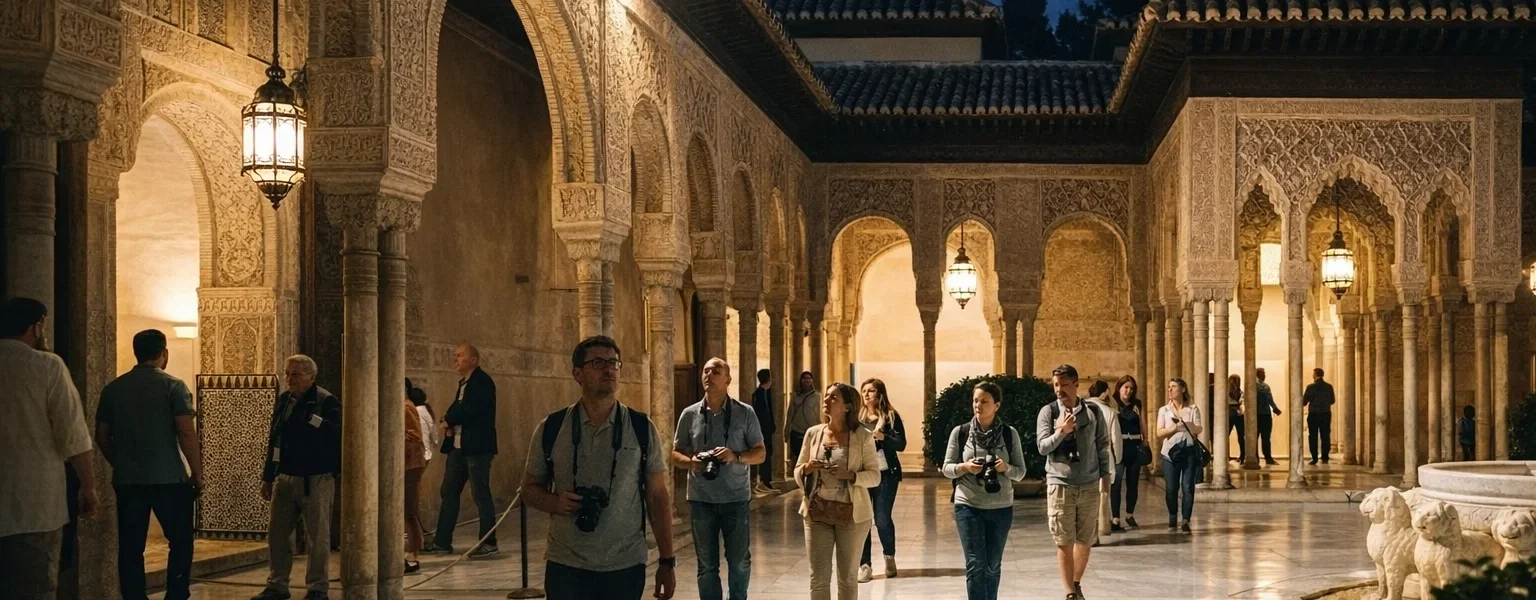
alhambra night visit revenue annual revenue alhambra night tour revenue

Introduction to Alhambra Night Visit Revenue
The Alhambra, a UNESCO World Heritage Site located in Granada, Spain, is one of the most iconic historical monuments in the world. While millions of tourists visit during the daytime, the Alhambra night visit experience has become an increasingly important contributor to the monument’s overall tourism revenue. Night tours offer a unique perspective of the Nasrid Palaces and Generalife gardens, illuminated under carefully designed lighting that enhances their architectural beauty and historical atmosphere.
In recent years, interest in Alhambra night tour revenue has grown among tourism experts and researchers. This is largely because night visits combine exclusivity, limited capacity, and premium visitor experiences, making them a high-value segment of cultural tourism. Understanding how these tours contribute to annual revenue provides insight into how heritage sites can balance preservation with financial sustainability.
Annual Visitor Numbers and Overall Alhambra Revenue
The Alhambra attracts approximately 2.3 to 2.7 million visitors annually, making it the most visited monument in Spain. This consistent flow of tourists generates substantial revenue, primarily through ticket sales, guided tours, and additional visitor services. Daytime visits account for the majority of this income, with annual ticket revenue estimated to be between €45 million and €50 million.
Read more: alhambra night visit revenue annual revenue alhambra night tour revenue
Despite representing a smaller portion of total visitors, night tours contribute significantly to overall earnings. Their controlled capacity and unique appeal allow them to generate a disproportionately high share of revenue relative to visitor numbers. In fact, night visits are estimated to account for around 15% to 20% of total ticket revenue, highlighting their importance in the Alhambra’s financial structure.
The revenue generated is managed by the Patronato de la Alhambra y Generalife, a public institution responsible for maintaining and preserving the site. This ensures that income is reinvested into conservation efforts, infrastructure improvements, and cultural programming rather than private profit.
Understanding Alhambra Night Tours and Visitor Experience
Alhambra night tours are designed to offer a more intimate and immersive experience compared to daytime visits. These tours typically grant access to specific areas such as the Nasrid Palaces or the Generalife gardens, allowing visitors to explore the monument in a quieter, less crowded environment.
The atmosphere of a night visit is significantly different from daytime tourism. Soft lighting, reduced noise, and smaller group sizes create a more reflective and emotional experience. This exclusivity enhances the perceived value of the tour, making it highly attractive to tourists seeking a unique cultural experience.
Capacity for night tours is intentionally limited, usually allowing only a few hundred visitors per evening. This restriction not only protects the delicate structures of the Alhambra but also increases demand, contributing to higher revenue potential through controlled supply.
Ticket Pricing and Revenue Per Night Tour Visitor
The pricing structure for Alhambra night visits is carefully designed to remain accessible while still generating strong revenue. Standard night tickets typically range from €8 to €14, while guided or premium experiences can cost between €15 and €20 or more, depending on the type of tour and season.
Although ticket prices are not extremely high, the efficiency of revenue generation comes from the balance between pricing and operational costs. Night tours require fewer resources than daytime operations, resulting in higher profit margins per visitor. Lighting systems, security, and staffing are optimized to handle smaller groups, reducing overall expenses.
Additionally, visitors attending night tours often spend more on supplementary services. Audio guides, private tours, and bundled travel experiences contribute to increased per-visitor revenue, making night tourism an economically attractive segment for the Alhambra.
Estimated Annual Revenue from Alhambra Night Tours
Estimating the exact annual revenue of Alhambra night tours can be complex due to varying methodologies and data sources. However, most estimates suggest that night visits generate between €2 million and €12 million annually. This wide range reflects differences in how revenue is calculated, including whether additional services are included.
A commonly accepted estimate places annual night tour revenue between €8 million and €12 million, representing a significant portion of total ticket income. More conservative estimates, focusing strictly on ticket sales, suggest figures closer to €2.5 million to €3.5 million per year.
These figures demonstrate that even with limited visitor numbers, night tours play a crucial role in the Alhambra’s financial ecosystem. The combination of controlled access, consistent demand, and efficient operations ensures a steady stream of income.
Night Tour Attendance and Capacity Management
The number of visitors attending Alhambra night tours each year is estimated to range from 100,000 to 300,000. This represents only a small fraction of total annual visitors, but the limited capacity is a deliberate strategy rather than a limitation.
Capacity management is essential for preserving the historical integrity of the monument. By restricting the number of visitors, the Alhambra reduces wear and tear on its fragile structures while maintaining a high-quality visitor experience. This approach aligns with sustainable tourism practices and long-term conservation goals.
Seasonality also plays a role in attendance levels. Peak tourist seasons, such as spring and autumn, see higher demand for night tours, while winter months experience lower visitor numbers. These fluctuations influence overall annual revenue but are balanced by consistent demand throughout the year.
Economic Impact Beyond Direct Ticket Revenue
The financial impact of Alhambra night tours extends beyond ticket sales, contributing significantly to Granada’s local economy. Visitors who attend night tours are more likely to engage in evening activities such as dining, shopping, and transportation services.
This behavior leads to higher overall spending compared to daytime tourists. On average, night tour visitors spend around 20% more on local services, generating additional economic activity for businesses in Granada. This indirect impact is estimated to contribute several million euros annually to the local economy.
The extended tourism activity also benefits the hospitality sector, including hotels and restaurants. By encouraging visitors to stay longer and explore the city at night, the Alhambra supports a more balanced and sustainable tourism model.
Cost Structure and Profitability of Night Tours
Operating night tours involves specific costs, including lighting, security, maintenance, and staffing. Approximately 40% of the revenue generated from night visits is allocated to operational expenses. These costs ensure that the monument remains safe and accessible during evening hours.
In addition to operational costs, a significant portion of revenue is reinvested into conservation and restoration projects. This includes maintaining the structural integrity of the Nasrid Palaces, preserving intricate architectural details, and upgrading visitor facilities.
Despite these expenses, night tours remain highly profitable. The combination of limited capacity, efficient operations, and strong demand results in a favorable cost-to-revenue ratio. This makes night tourism one of the most effective revenue streams within the Alhambra’s overall financial model.
Factors Influencing Alhambra Night Tour Revenue
Several factors influence the annual revenue generated by Alhambra night tours. Seasonality is one of the most important, with higher demand during peak travel periods leading to increased ticket sales and revenue. Weather conditions can also have a significant impact, as adverse weather may result in cancellations or reduced attendance.
Pricing strategies play a crucial role in revenue optimization. By offering a range of ticket options, including premium experiences, the Alhambra can cater to different visitor segments and maximize earnings without increasing capacity.
Technological advancements have also influenced revenue patterns. Online booking systems have made it easier for visitors to secure tickets in advance, improving accessibility and allowing for better demand management. This has contributed to more consistent revenue generation throughout the year.
Future Trends in Alhambra Night Tourism Revenue
The future of Alhambra night tour revenue is closely tied to innovation and sustainability. As global tourism continues to evolve, there is increasing demand for unique and immersive experiences. Night tours are well-positioned to meet this demand, offering a distinctive way to explore historical sites.
Emerging trends include the introduction of themed tours, enhanced lighting systems, and digital guides that enrich the visitor experience. These innovations have the potential to increase revenue by attracting new audiences and encouraging repeat visits.
Sustainability will remain a key focus, with efforts to balance visitor numbers with preservation needs. By maintaining strict capacity limits and investing in conservation, the Alhambra can continue to generate revenue while protecting its cultural heritage.
Conclusion
Alhambra night visit revenue represents a compelling example of how cultural heritage sites can achieve financial sustainability through strategic planning and innovation. Although night tours account for a smaller share of total visitors, they generate significant income due to their exclusivity, controlled capacity, and efficient operations.
With annual revenue estimates ranging from a few million to over €10 million, night tours have become an essential component of the Alhambra’s overall revenue model. Beyond direct earnings, they also contribute to the local economy by encouraging increased visitor spending and supporting tourism-related businesses.
As the demand for unique travel experiences continues to grow, Alhambra night tours are likely to remain a key driver of both revenue and cultural engagement. Their success highlights the potential of combining heritage preservation with modern tourism strategies to create a sustainable and profitable future.
