Hermine Poitou: Inside the Creative and Private Life of David Thewlis’ Wife

Hermine Poitou is a French graphic designer, illustrator, and artist best known to many people as the wife of acclaimed British actor David Thewlis. While Thewlis became internationally famous for his performances in films such as Harry Potter, Wonder Woman, and The Theory of Everything, Hermine Poitou has remained intentionally private and deeply connected to the creative arts rather than celebrity culture. Over the years, public interest in her life has grown significantly as fans search for details about her career, artistic background, marriage, and personal philosophy.
Unlike many individuals connected to famous actors, Hermine Poitou has never attempted to become a media personality. Her low-profile lifestyle has actually increased curiosity about her, especially among readers interested in celebrity families, European artists, and private public figures. Searches related to “Hermine Poitou biography,” “David Thewlis wife,” “French graphic designer Hermine Poitou,” and “Hermine Poitou career” continue to attract attention online. Despite this growing popularity, she has managed to preserve a rare sense of privacy and authenticity.
Much of Hermine Poitou’s appeal comes from the balance she represents between creativity and discretion. In an era dominated by social media exposure and constant public updates, she has chosen a quieter path centered on artistic work and personal independence. Her story reflects not only her relationship with a globally recognized actor but also her own journey as a designer and creative professional who values substance over publicity.
Early Life and French Roots
Hermine Poitou was born and raised in France, where she spent her formative years surrounded by the country’s rich artistic and cultural traditions. Although detailed information about her childhood remains limited, various biographies describe her as someone who developed an appreciation for visual arts and creative expression from a young age. France’s influence on painting, graphic design, architecture, and fashion likely played an important role in shaping her artistic sensibilities.
Growing up in a culturally rich environment may have inspired her interest in minimalist and emotionally expressive design. French creative traditions often emphasize elegance, structure, and subtlety rather than excess, qualities that later became associated with her professional style. Even though Poitou has avoided public interviews about her personal history, observers often connect her work and aesthetic approach to classic European artistic values.
One reason public curiosity about her remains strong is the mystery surrounding her early years. Unlike celebrities who openly discuss their childhoods, schools, or family backgrounds, Poitou has intentionally kept those details private. This has created an image of sophistication and discretion that many admirers find refreshing. Rather than building her identity around personal publicity, she has allowed her creative work and reputation to speak for themselves.
Education and Artistic Development
Hermine Poitou’s educational background reveals a serious commitment to the arts and creative disciplines. Reports indicate that she studied Arts Plastiques at Aix-Marseille University in France during the late 1980s and early 1990s. This academic experience likely provided her with a strong foundation in visual theory, artistic composition, design history, and practical creative techniques.
After her studies in France, Poitou reportedly continued her education in the United Kingdom. She attended Newcastle College of Art & Design and later studied Graphic Design and Fine Arts at Camberwell College of Arts in London. Camberwell has long been recognized as one of the United Kingdom’s respected art institutions, known for encouraging experimental thinking and innovative creative expression. Studying there would have exposed her to modern graphic design philosophies and contemporary visual communication methods.
Her educational journey through both France and Britain gave her a multicultural artistic perspective. French artistic traditions combined with British contemporary design influences helped shape her professional identity as a graphic designer and illustrator. This international educational background also explains the sophisticated and balanced style often associated with her creative work. The blend of technical training and artistic experimentation became a defining feature of her career.
Career in Graphic Design and Illustration
Before becoming publicly known through her marriage to David Thewlis, Hermine Poitou had already established herself within creative industries. She worked as a graphic designer and illustrator, focusing on visual communication, artistic branding, and design-related projects. Her professional life appears to have been driven more by artistic passion than public recognition.
Several reports mention that she worked with creative agencies and communication firms during the 1990s. These experiences allowed her to develop expertise in both traditional and digital design environments. Her work reportedly included branding concepts, editorial design, visual campaigns, and artistic direction for various creative projects. Through these roles, she gained valuable industry experience while refining her own visual style.
Eventually, Poitou transitioned toward freelance work, which gave her more creative independence. Freelancing allowed her to choose projects aligned with her artistic values and personal interests. Many creative professionals view freelance work as a way to maintain authenticity and freedom, and Poitou’s career path reflects that philosophy. Rather than pursuing celebrity status or commercial fame, she focused on maintaining meaningful artistic control over her work.
Artistic Style and Creative Identity
Hermine Poitou’s artistic style is often described as elegant, minimalist, and emotionally thoughtful. Her work reportedly emphasizes simplicity, visual harmony, and carefully structured compositions. Instead of relying on dramatic or highly commercial aesthetics, she appears to favor subtle expression and refined design principles.
Minimalism has long been associated with European artistic traditions, particularly within graphic design and illustration. Poitou’s approach reflects these influences through clean visual structures and restrained artistic choices. Observers who discuss her creative work frequently mention balance, emotional depth, and understated sophistication as defining characteristics of her style.
Her creative identity also seems connected to the idea that art should communicate naturally rather than aggressively. In a world where visual content is often designed for instant attention, Poitou’s quieter artistic philosophy stands apart. She appears more interested in timeless creative value than temporary trends. This commitment to thoughtful design has contributed to her reputation as an authentic and respected creative professional.
Connection to the Film and Entertainment Industry
Although Hermine Poitou is not primarily known as an actress or filmmaker, she has connections to the entertainment industry through both her professional work and personal relationships. Reports indicate that she contributed to projects connected to visual media and film production, including creative support and design-related work.
She has also received attention through film-related credits connected to projects such as Russian Dolls and A Child’s Secret. While her role in these productions was not centered on acting, these experiences demonstrated her involvement in broader artistic and cinematic environments. Creative work in film production often requires strong visual storytelling skills, something that aligns naturally with her background in design and illustration.
Despite these industry connections, Poitou never became part of celebrity culture in the traditional sense. She did not pursue red-carpet visibility, media interviews, or entertainment publicity campaigns. Instead, she remained behind the scenes, focusing on creative work rather than public attention. This distinction has helped preserve her image as someone genuinely devoted to art rather than fame.
Marriage to David Thewlis
Public fascination with Hermine Poitou increased dramatically after her relationship with British actor David Thewlis became known. Thewlis is widely recognized for his role as Remus Lupin in the Harry Potter film series, along with numerous acclaimed performances in independent films and television dramas. Their relationship attracted attention because of the strong contrast between his global fame and her intensely private lifestyle.
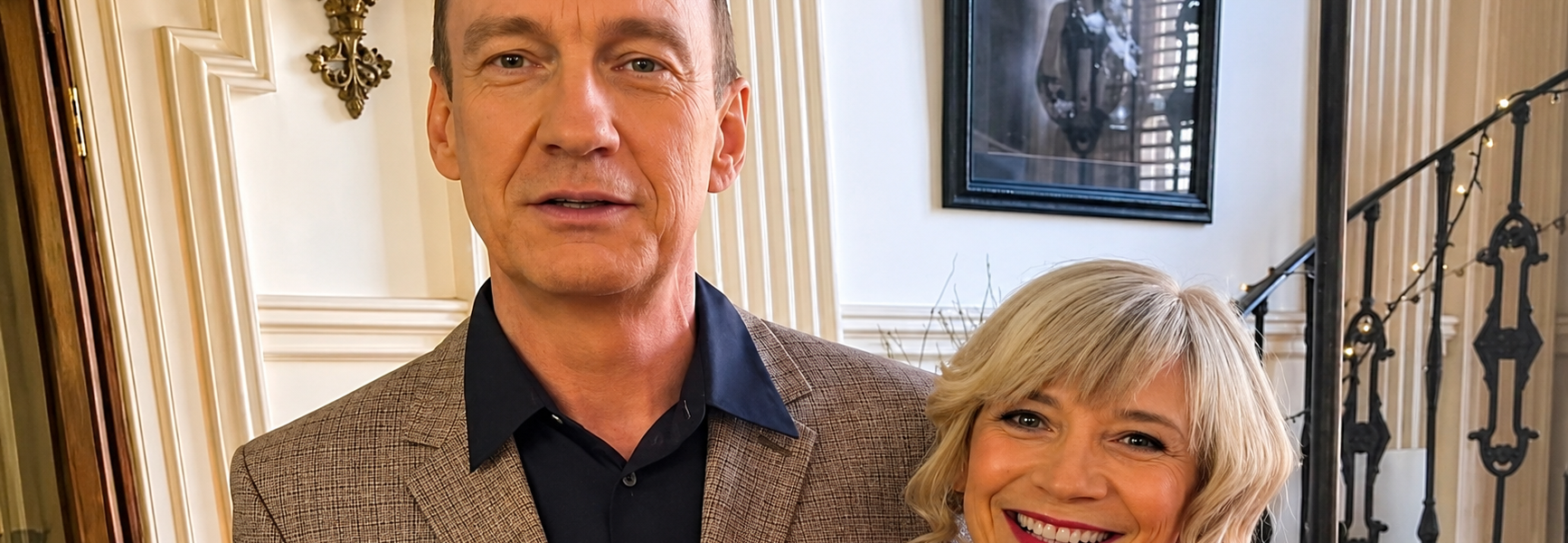
The couple reportedly spent several years together before marrying in August 2016. Unlike many celebrity relationships frequently discussed in tabloids, their marriage has remained notably discreet. They rarely make public appearances together, and they almost never discuss their personal life in interviews. This privacy has allowed them to maintain a stable and grounded relationship away from constant media pressure.
Hermine Poitou also became the stepmother of Gracie Friel, David Thewlis’s daughter from his previous relationship with actress Anna Friel. Reports describing their family life suggest a calm and supportive environment focused on creativity, personal respect, and emotional balance. Their relationship is often viewed as an example of how celebrity couples can maintain healthy boundaries despite public curiosity.
Why Hermine Poitou Avoids Public Attention
One of the most intriguing aspects of Hermine Poitou’s life is her deliberate distance from social media and celebrity publicity. In today’s digital world, where many public figures constantly share personal updates online, Poitou’s absence from major social platforms feels unusual. This decision has contributed significantly to the mystery surrounding her.
Her privacy appears to be intentional rather than accidental. Many observers believe she values personal independence and emotional peace over internet visibility. Instead of building a public brand around herself, she has chosen to keep her life focused on art, family, and creativity. This approach has earned admiration from people who appreciate authenticity and discretion.
The lack of publicly available information about her has also fueled online searches and curiosity. Fans frequently look for details about her age, birthday, family background, and artistic projects, but verified information remains limited. Ironically, the more she avoids attention, the more people become interested in learning about her. This dynamic has made Hermine Poitou one of the more mysterious figures connected to modern celebrity culture.
Public Interest and Online Popularity
In recent years, online searches related to Hermine Poitou have increased significantly. Many people discover her through searches connected to David Thewlis, but their curiosity often grows once they realize how little public information exists about her. Keywords such as “Who is Hermine Poitou,” “Hermine Poitou biography,” and “Hermine Poitou career” have become increasingly common across entertainment websites and celebrity blogs.
Part of this interest comes from the broader fascination with private public figures. Modern audiences are surrounded by celebrities who constantly share personal moments online, so individuals who maintain mystery naturally stand out. Hermine Poitou represents a different type of public image, one built on privacy, creativity, and quiet professionalism rather than self-promotion.
Her popularity also reflects changing attitudes toward celebrity culture. Many readers admire people who resist excessive publicity and maintain strong personal boundaries. Poitou’s lifestyle demonstrates that it is possible to be connected to fame without becoming consumed by it. This balance between public recognition and personal privacy has become a major reason why she continues to attract attention online.
The Influence of European Artistic Culture on Her Work
European artistic traditions appear to have had a lasting influence on Hermine Poitou’s professional identity. French and British art education emphasizes creativity, conceptual thinking, and visual storytelling rather than purely commercial design. These influences can be seen in the descriptions of her artistic style and career choices.
French artistic culture often values subtle emotional expression and refined aesthetics, qualities that seem closely connected to Poitou’s design philosophy. Meanwhile, British art schools are known for encouraging experimentation and contemporary thinking. Her educational experiences in both countries likely contributed to her balanced approach to creativity, combining elegance with innovation.
This European influence may also explain why she has remained committed to artistic integrity rather than celebrity branding. In many European creative traditions, the focus remains on the quality of the work itself rather than the personality behind it. Poitou’s career reflects this mindset clearly. She appears more interested in producing meaningful artistic work than building a highly public personal identity.
Hermine Poitou’s Lasting Appeal and Legacy
Hermine Poitou continues to attract public interest because she represents something increasingly rare in modern culture: a genuinely private creative professional connected to fame without being consumed by it. Her life story combines artistic talent, personal independence, and thoughtful restraint, qualities that resonate strongly with modern audiences seeking authenticity.
Her career demonstrates that meaningful success can exist outside traditional celebrity culture. Through graphic design, illustration, and artistic work, she built a respected professional identity without relying on publicity campaigns or social media attention. This quiet dedication to creativity has become one of the defining aspects of her public image.
As interest in Hermine Poitou continues to grow, her legacy is likely to remain connected to the same qualities that made people curious about her in the first place. She embodies elegance, privacy, and artistic authenticity in an era often dominated by exposure and self-promotion. Whether viewed as a talented designer, a creative thinker, or the wife of David Thewlis, Hermine Poitou stands out as a fascinating example of someone who has successfully balanced public curiosity with personal discretion.
Conclusion
Hermine Poitou’s story is ultimately about creativity, independence, and the power of privacy in a highly public world. Although many people first learn about her through her marriage to David Thewlis, her identity extends far beyond being the spouse of a famous actor. She is a talented French graphic designer and illustrator whose artistic journey reflects years of education, creative exploration, and professional dedication.
Her decision to live away from social media and celebrity culture has only strengthened her appeal. In a time when public exposure is often treated as success, Poitou’s quiet lifestyle offers a different perspective. She reminds audiences that authenticity and artistic integrity can still exist without constant public validation.
As searches for Hermine Poitou continue to rise, interest in her life will likely remain strong. Yet the enduring fascination surrounding her is not simply about mystery. It is also about respect for someone who has maintained personal boundaries while building a meaningful creative life. Through her work, her values, and her unique approach to fame, Hermine Poitou continues to leave a lasting impression on those curious enough to learn her story.