Supplement Management Thespoonathletic: A Complete Research-Based Guide for Smarter Performance and Wellness

Understanding Supplement Management Thespoonathletic
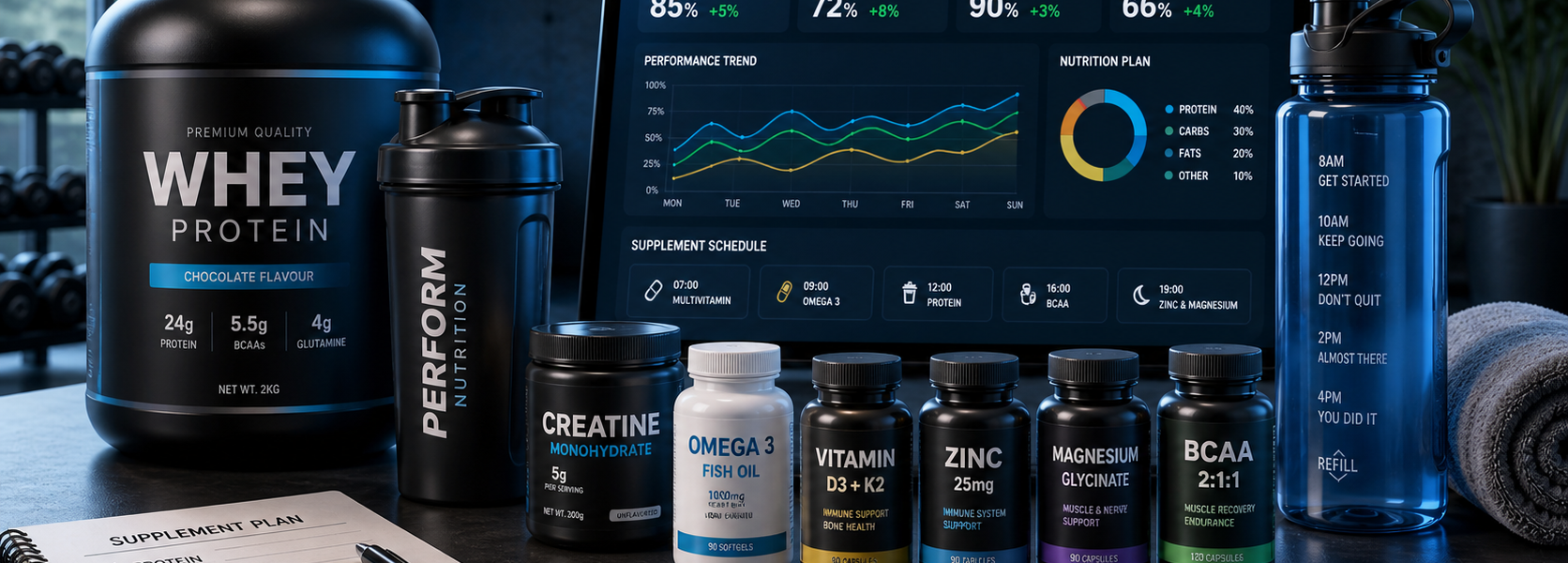
Supplement management Thespoonathletic refers to a structured, evidence-based approach to planning, organizing, and monitoring dietary supplements so they support long-term health, improved athletic performance, and overall wellness. Rather than taking supplements randomly or based on trends, this methodology emphasizes strategic thinking, supplement management thespoonathletic individualized planning, and the responsible use of scientifically supported products. It has become a widely discussed concept in fitness and nutrition spaces, especially for athletes and health-focused individuals seeking clarity in a supplement-saturated market.
This approach integrates nutritional science, performance research, and personalized needs to create a practical and sustainable supplement routine. It addresses common concerns such as product quality, dosing accuracy, nutrient timing, ingredient safety, supplement management thespoonathletic and supplement interactions, helping users avoid ineffective or unsafe supplementation habits. By understanding supplement management through the Thespoonathletic philosophy, individuals can elevate their performance, supplement management thespoonathletic prevent nutrient gaps, and make more informed wellness decisions.
Why Supplement Management Matters for Athletes and Active Individuals
Athletes and highly active individuals experience increased nutritional demands due to intense training volume, energy expenditure, and recovery requirements. supplement management thespoonathletic Supplement management becomes essential because whole foods alone may not always meet performance-specific nutrient needs, supplement management thespoonathletic particularly for muscle repair, endurance sustainability, and metabolic support. The Thespoonathletic approach acknowledges these elevated demands and provides structured guidance to bridge nutritional gaps safely.
When supplements are selected without strategy, the result is often wasted money, poor absorption, or unintended nutrient excesses. In some cases, careless choices may even expose individuals to contaminants or banned substances. supplement management thespoonathletic A well-organized supplement plan reduces these risks by ensuring every product serves a defined purpose, aligns with training goals, and supports physical and cognitive performance. This foresight allows athletes to maximize benefits while minimizing errors that could hinder progress.
Setting Clear Goals Before Choosing Supplements
One of the most emphasized components of supplement management Thespoonathletic is goal clarity. Supplements should never be chosen at random; they should be selected based on precise objectives such as gaining muscle, increasing endurance, boosting recovery speed, supporting immunity, or enhancing overall vitality. When goals are clearly defined, it becomes easier to determine which supplements have validated benefits for those targets and which products add no real value.
This goal-driven process also encourages individuals to evaluate their current diet, supplement management thespoonathletic lifestyle habits, and training structure. If someone already consumes enough protein but struggles with low energy levels, the plan would logically prioritize performance-driven nutrients rather than additional protein powders. supplement management thespoonathletic By aligning choices with measurable outcomes, users avoid supplement overload and focus on what truly supports their training journey.
Research-Supported Supplement Categories and Their Roles
The Thespoonathletic method divides supplements into core categories to help users understand their functions more clearly. Macronutrient supplements, such as protein powders and carbohydrate blends, provide essential fuel and building blocks for muscle synthesis, repair, and endurance. These products are especially beneficial for athletes who struggle to meet their daily requirements due to restrictive diets, travel schedules, or intense workloads.
Micronutrient supplements serve a different purpose, filling nutritional gaps that can compromise energy metabolism, bone strength, immune function, or hormonal balance. Deficiencies in nutrients like vitamin D, iron, magnesium, or zinc are relatively common among active individuals, making targeted supplementation a critical part of performance management. Meanwhile, ergogenic and recovery supplements such as creatine, omega-3 fatty acids, glutamine, collagen, and caffeine focus on increasing power output, reducing inflammation, and supporting overall resilience. This structured classification allows users to prioritize supplements that directly support their physical demands.
Quality and Safety as Central Pillars of the Approach
A major emphasis in supplement management Thespoonathletic is ingredient transparency and product safety. Supplement quality varies significantly across brands, and not all products undergo rigorous testing for purity and potency. Third-party certifications, clear ingredient labels, and evidence-based formulations are considered essential features of trustworthy supplements. Choosing certified products helps prevent exposure to contaminants, heavy metals, or substances banned in competitive environments.
Safety also involves understanding how supplements interact with each other and with existing health conditions. Some nutrients enhance each other’s absorption, while others interfere when taken together. Similarly, individuals on medication may face risks if they take unregulated herbal supplements or high-dose vitamins. This approach encourages users to read labels carefully, avoid proprietary blends with undisclosed dosages, and prioritize professional guidance when needed. Such precautions greatly reduce health risks and improve overall supplement effectiveness.
Timing and Dosage for Optimal Results
Supplement timing is a crucial element of performance nutrition, and the Thespoonathletic approach highlights the importance of consuming supplements at the right moment to maximize benefits. For example, protein and amino acids may offer the best results when consumed shortly after resistance training, while caffeine is most effective when taken prior to workouts. Proper timing ensures the body receives specific nutrients during peak absorption windows, supporting physiological needs more efficiently.
Effective supplement management also requires careful dosage control. Taking more than the recommended amount rarely improves performance and can often lead to adverse reactions, nutrient toxicity, or metabolic stress. Fat-soluble vitamins, stimulants, and certain minerals come with particular dosage risks when misused. The Thespoonathletic philosophy promotes evidence-based dosing strategies that match individual tolerance, health status, and training intensity, allowing users to experience consistent and safe results.
Tracking Progress and Refining Supplement Plans
A structured supplement plan is never static, and monitoring is essential to identify whether each product is delivering the desired outcome. Tracking progress through workout logs, recovery assessments, sleep patterns, and overall mood provides valuable feedback. This information helps individuals determine whether a supplement is effective, needs adjustment, or should be removed entirely from the regimen.
Regular evaluation also ensures that supplement use adapts to lifestyle or training changes. A shift from strength training to endurance endurance-focused routines may require different nutrients, and addressing deficiencies revealed through blood tests may become a new priority. By integrating this level of assessment, supplement management Thespoonathletic supports long-term optimization rather than short-term experimentation.
Balancing Supplements With Nutrition and Training
The philosophy behind Thespoonathletic stresses that supplements should complement — not replace — high-quality nutrition. Whole foods provide diverse nutrients, antioxidants, and bioactive compounds that cannot be replicated through isolated vitamins or powders. A strong foundational diet ensures supplements work more effectively by supporting digestion, metabolic health, and recovery capacity.
Training also plays a central role in guiding supplement decisions. Periods of heavy training, competition prep, or high-intensity phases may require more targeted support than maintenance phases. Understanding how nutrition, supplements, and training intensity interact allows individuals to create a cohesive performance plan. This holistic approach ensures that every supplement is chosen with intention, aligned with actual physiological needs, and properly integrated into a healthy lifestyle.
Avoiding Common Supplement Management Mistakes
Many individuals misuse supplements due to poor guidance, misinformation, or marketing pressures. One of the most common mistakes is over-supplementation, where users take multiple products with overlapping ingredients, leading to excessive dosages or unnecessary spending. This issue is magnified when individuals rely on proprietary blends, which often hide actual ingredient concentrations behind vague labeling.
Another frequent mistake is expecting supplements to compensate for poor dietary habits or insufficient training. Supplements can enhance performance and recovery, but they cannot replace the nutritional richness of whole foods or the physical stimulus provided by consistent training. The Thespoonathletic approach emphasizes realistic expectations and reinforces the importance of discipline, consistency, and balance. By avoiding these mistakes, individuals create a more effective, safe, and financially sensible supplement plan.
Conclusion: The Value of Strategic Supplement Management
Supplement management Thespoonathletic provides a comprehensive framework for making informed, confident, and responsible choices in the complex world of supplementation. By emphasizing goal setting, safety, quality control, nutrient timing, and continuous monitoring, this approach helps individuals maximize the benefits of supplementation while avoiding unnecessary risks. It encourages users to think critically, prioritize evidence-based strategies, and integrate supplements harmoniously with nutrition and training.
With a structured and research-supported supplement routine, athletes and everyday individuals can enhance performance, accelerate recovery, and maintain better long-term health. Whether the goal is strength, endurance, wellness, or overall energy, strategic supplement management ensures every product serves a clear purpose — transforming supplementation from guesswork into a powerful tool for sustainable progress.