Lucia Scalisi: The Expert Art Conservator Behind Iconic Painting Restorations

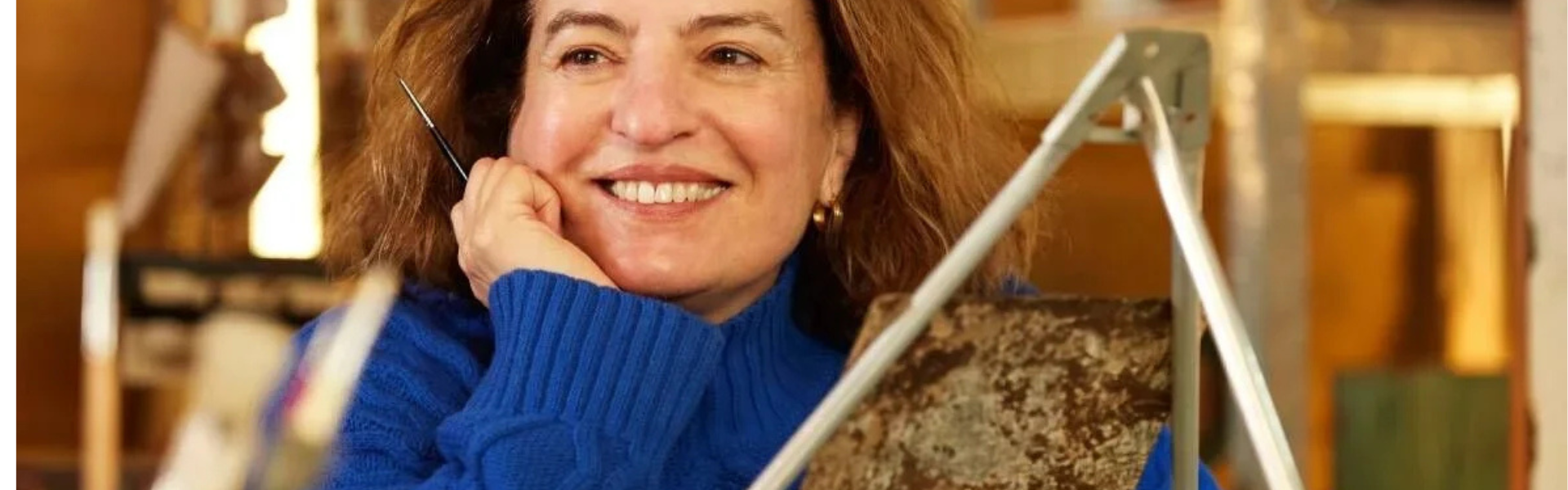
Lucia Scalisi is widely recognized as one of the most respected paintings conservators in the United Kingdom. Over the years, she has built a remarkable reputation for preserving historical artworks and educating the public about the importance of art conservation. Known for her calm expertise and meticulous restoration techniques, Scalisi has dedicated her life to protecting artistic heritage for future generations. Her work combines scientific knowledge, artistic sensitivity, and a deep understanding of historical painting methods.
Although Lucia Scalisi keeps much of her personal life private, it is well known that her interest in art and history began early in life. From a young age, she was fascinated by paintings, museums, and the stories behind historical objects. This curiosity gradually developed into a professional passion for art conservation, a field that focuses on preserving artworks while respecting the original intention of the artist.
Her early exposure to artistic culture and museum environments helped shape her career ambitions. Rather than becoming a traditional painter or art historian, Scalisi chose a more specialized path—protecting artworks from damage and deterioration. This decision eventually led her into the highly technical world of painting restoration and conservation.
Academic Background and Professional Training
A strong academic foundation played an essential role in Lucia Scalisi’s career development. She studied at the University of Sheffield, where she completed her undergraduate degree with honors. Her education there helped her develop a broad understanding of history, materials, and artistic traditions, all of which are essential knowledge areas for professional conservators.
After completing her initial degree, Scalisi pursued advanced training in conservation. She obtained a Diploma in the Conservation of Easel Paintings at the University of Northumbria. This program is widely recognized for training professional art conservators who specialize in preserving oil paintings and other canvas-based artworks. The course combines practical studio training with scientific analysis of painting materials.
During her studies, Scalisi gained hands-on experience with cleaning techniques, structural repairs, pigment analysis, and varnish removal. These methods require extreme precision because even a small mistake can permanently damage a valuable artwork. Her academic training prepared her to examine paintings carefully, identify deterioration issues, and develop safe conservation treatments.
Early Career at the Victoria and Albert Museum
Lucia Scalisi began her professional career in 1984 at the prestigious Victoria and Albert Museum in London. The museum is one of the world’s leading institutions dedicated to art, design, and decorative objects. Working in such an environment gave Scalisi access to an extraordinary collection of historic paintings and valuable cultural artifacts.
At the museum, she worked within the conservation department, where specialists carefully maintain and restore artworks. Her responsibilities included examining paintings for signs of deterioration, stabilizing fragile surfaces, and carrying out delicate restoration treatments. The experience allowed her to refine her conservation techniques under the guidance of senior professionals.
Over time, Scalisi advanced within the institution and eventually became Senior Conservator of Paintings. In this role, she supervised conservation treatments and contributed to the preparation of artworks for exhibitions. The position also required her to collaborate with curators, historians, and scientists, further expanding her expertise in art preservation.
Establishing an Independent Conservation Studio
After more than a decade of museum work, Lucia Scalisi decided to establish her own conservation studio in London. This transition allowed her to work more independently and provide specialized services to collectors, galleries, museums, and heritage institutions. Her studio focuses primarily on the conservation of easel paintings, including oil paintings on canvas and wooden panels.
Running a private conservation practice requires a balance of scientific knowledge and artistic judgment. Each painting must be examined individually to determine the safest and most effective treatment. Scalisi’s work typically involves cleaning aged varnish layers, repairing structural damage, stabilizing flaking paint, and retouching small areas where paint has been lost.
Her conservation philosophy emphasizes minimal intervention. Rather than dramatically altering an artwork, she focuses on preserving the original materials and stabilizing the painting’s condition. This careful approach ensures that the historical authenticity of the artwork remains intact while improving its visual clarity.
International Conservation Projects and Cultural Work
Throughout her career, Lucia Scalisi has participated in numerous international conservation projects. Her expertise has been requested by cultural institutions and heritage organizations around the world. These projects often involve preserving artworks that are historically significant within their cultural contexts.
One of her major roles included working as Chief Restorer for the Calcutta Tercentenary Trust at Victoria Memorial Hall in Kolkata, India. This historic building houses an extensive collection of colonial-era paintings and sculptures. Scalisi contributed to the restoration and preservation of artworks that form an important part of India’s cultural history.
She has also collaborated with institutions in the Middle East and Europe. For example, she served as an advisor to conservation projects at the Deir al-Surian Desert Monastery in Egypt. Additionally, she worked with the American University of Beirut to help develop conservation strategies for its art collection. These international experiences highlight her ability to adapt conservation methods to different cultural and environmental conditions.
Teaching and Contributions to Conservation Education
In addition to her restoration work, Lucia Scalisi has contributed significantly to education in the field of art conservation. She has taught conservation techniques at institutions such as London City & Guilds and the Academy of Conservation in Tbilisi, Georgia. Through these teaching roles, she has helped train new generations of professional conservators.
Her teaching focuses on both practical skills and ethical responsibilities. Students learn how to examine artworks, identify damage, and apply appropriate treatments. At the same time, Scalisi emphasizes the importance of respecting the historical integrity of each piece.
Education is a vital part of conservation because improper restoration can permanently damage artworks. By sharing her knowledge and experience, Scalisi helps ensure that conservation standards remain high across the profession. Her mentorship has influenced many young conservators who now work in museums and conservation studios around the world.
Television Recognition Through The Repair Shop
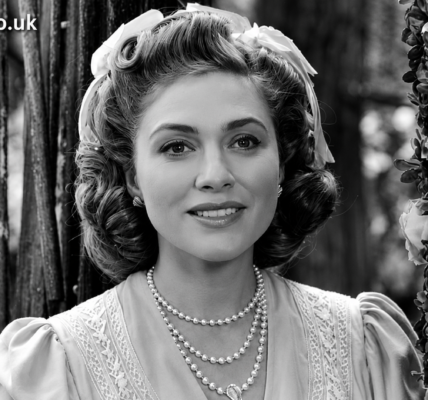
Lucia Scalisi gained widespread public recognition through her role on the popular BBC television series The Repair Shop. The show features skilled craftspeople who restore treasured objects brought in by members of the public. Scalisi appears on the program as the expert painting conservator.
Her role involves restoring damaged or deteriorating artworks that hold sentimental value for their owners. Many of the paintings brought to the show have been passed down through families for generations. Scalisi carefully stabilizes the paintings, cleans their surfaces, and repairs structural damage while explaining the conservation process to viewers.
The show has helped bring attention to the field of art conservation. Through her demonstrations, viewers gain insight into the delicate techniques required to preserve historic paintings. Scalisi’s calm demeanor and clear explanations have made her one of the most respected experts featured on the series.
Conservation Philosophy and Professional Approach
Lucia Scalisi follows internationally recognized conservation principles that emphasize preservation rather than dramatic restoration. Her philosophy centers on minimal intervention, meaning that treatments should only address specific problems without altering the original artwork unnecessarily.
One of the most important aspects of conservation is reversibility. This means that any materials used in the restoration process should be removable in the future without damaging the painting. This approach allows future conservators to apply improved techniques if better methods become available.
Scalisi also stresses the importance of careful documentation. Every step of the conservation process is recorded, including the materials used and the treatments applied. This documentation provides valuable information for historians, curators, and future conservators who may work with the artwork later.
Professional Memberships and Industry Recognition
Throughout her career, Lucia Scalisi has maintained strong connections with professional conservation organizations. She is associated with groups such as the International Council of Museums – Conservation Committee and the British Association of Paintings Conservators and Restorers. These organizations promote high professional standards and encourage collaboration among conservators worldwide.
Membership in these organizations requires adherence to strict ethical guidelines. Conservators must demonstrate expertise, maintain professional integrity, and follow internationally accepted conservation practices. Scalisi’s involvement reflects her commitment to maintaining excellence in her field.
Her contributions have also been recognized through professional honors and affiliations within the art and heritage community. These recognitions highlight the importance of her work in preserving cultural artifacts and educating the public about conservation.
Legacy and Impact on the Art Conservation Field
Lucia Scalisi’s career demonstrates how art conservation combines science, craftsmanship, and cultural responsibility. Over several decades, she has worked on countless paintings, ensuring that they remain stable and accessible for future generations. Her dedication to preserving artistic heritage has made her a respected figure within the conservation community.
Beyond her technical achievements, Scalisi has also played a major role in raising public awareness about conservation. Through television appearances, educational work, and international collaborations, she has helped people understand the importance of protecting artworks from deterioration.
Her legacy continues through the students she has trained, the artworks she has preserved, and the public understanding she has helped build. As museums and collectors increasingly recognize the importance of professional conservation, Lucia Scalisi remains an influential voice advocating for careful preservation of the world’s artistic heritage.
Lucia Scalisi: The Expert Art Conservator Behind Iconic Painting Restorations
Early Life and Passion for Art Conservation
Lucia Scalisi is widely recognized as one of the most respected paintings conservators in the United Kingdom. Over the years, she has built a remarkable reputation for preserving historical artworks and educating the public about the importance of art conservation. Known for her calm expertise and meticulous restoration techniques, Scalisi has dedicated her life to protecting artistic heritage for future generations. Her work combines scientific knowledge, artistic sensitivity, and a deep understanding of historical painting methods.
Although Lucia Scalisi keeps much of her personal life private, it is well known that her interest in art and history began early in life. From a young age, she was fascinated by paintings, museums, and the stories behind historical objects. This curiosity gradually developed into a professional passion for art conservation, a field that focuses on preserving artworks while respecting the original intention of the artist.
Her early exposure to artistic culture and museum environments helped shape her career ambitions. Rather than becoming a traditional painter or art historian, Scalisi chose a more specialized path—protecting artworks from damage and deterioration. This decision eventually led her into the highly technical world of painting restoration and conservation.
Academic Background and Professional Training
A strong academic foundation played an essential role in Lucia Scalisi’s career development. She studied at the University of Sheffield, where she completed her undergraduate degree with honors. Her education there helped her develop a broad understanding of history, materials, and artistic traditions, all of which are essential knowledge areas for professional conservators.
After completing her initial degree, Scalisi pursued advanced training in conservation. She obtained a Diploma in the Conservation of Easel Paintings at the University of Northumbria. This program is widely recognized for training professional art conservators who specialize in preserving oil paintings and other canvas-based artworks. The course combines practical studio training with scientific analysis of painting materials.
During her studies, Scalisi gained hands-on experience with cleaning techniques, structural repairs, pigment analysis, and varnish removal. These methods require extreme precision because even a small mistake can permanently damage a valuable artwork. Her academic training prepared her to examine paintings carefully, identify deterioration issues, and develop safe conservation treatments.
Early Career at the Victoria and Albert Museum
Lucia Scalisi began her professional career in 1984 at the prestigious Victoria and Albert Museum in London. The museum is one of the world’s leading institutions dedicated to art, design, and decorative objects. Working in such an environment gave Scalisi access to an extraordinary collection of historic paintings and valuable cultural artifacts.
At the museum, she worked within the conservation department, where specialists carefully maintain and restore artworks. Her responsibilities included examining paintings for signs of deterioration, stabilizing fragile surfaces, and carrying out delicate restoration treatments. The experience allowed her to refine her conservation techniques under the guidance of senior professionals.
Over time, Scalisi advanced within the institution and eventually became Senior Conservator of Paintings. In this role, she supervised conservation treatments and contributed to the preparation of artworks for exhibitions. The position also required her to collaborate with curators, historians, and scientists, further expanding her expertise in art preservation.
Establishing an Independent Conservation Studio
After more than a decade of museum work, Lucia Scalisi decided to establish her own conservation studio in London. This transition allowed her to work more independently and provide specialized services to collectors, galleries, museums, and heritage institutions. Her studio focuses primarily on the conservation of easel paintings, including oil paintings on canvas and wooden panels.
Running a private conservation practice requires a balance of scientific knowledge and artistic judgment. Each painting must be examined individually to determine the safest and most effective treatment. Scalisi’s work typically involves cleaning aged varnish layers, repairing structural damage, stabilizing flaking paint, and retouching small areas where paint has been lost.
Her conservation philosophy emphasizes minimal intervention. Rather than dramatically altering an artwork, she focuses on preserving the original materials and stabilizing the painting’s condition. This careful approach ensures that the historical authenticity of the artwork remains intact while improving its visual clarity.
International Conservation Projects and Cultural Work
Throughout her career, Lucia Scalisi has participated in numerous international conservation projects. Her expertise has been requested by cultural institutions and heritage organizations around the world. These projects often involve preserving artworks that are historically significant within their cultural contexts.
One of her major roles included working as Chief Restorer for the Calcutta Tercentenary Trust at Victoria Memorial Hall in Kolkata, India. This historic building houses an extensive collection of colonial-era paintings and sculptures. Scalisi contributed to the restoration and preservation of artworks that form an important part of India’s cultural history.
She has also collaborated with institutions in the Middle East and Europe. For example, she served as an advisor to conservation projects at the Deir al-Surian Desert Monastery in Egypt. Additionally, she worked with the American University of Beirut to help develop conservation strategies for its art collection. These international experiences highlight her ability to adapt conservation methods to different cultural and environmental conditions.
Teaching and Contributions to Conservation Education
In addition to her restoration work, Lucia Scalisi has contributed significantly to education in the field of art conservation. She has taught conservation techniques at institutions such as London City & Guilds and the Academy of Conservation in Tbilisi, Georgia. Through these teaching roles, she has helped train new generations of professional conservators.
Her teaching focuses on both practical skills and ethical responsibilities. Students learn how to examine artworks, identify damage, and apply appropriate treatments. At the same time, Scalisi emphasizes the importance of respecting the historical integrity of each piece.
Education is a vital part of conservation because improper restoration can permanently damage artworks. By sharing her knowledge and experience, Scalisi helps ensure that conservation standards remain high across the profession. Her mentorship has influenced many young conservators who now work in museums and conservation studios around the world.
Television Recognition Through The Repair Shop
Lucia Scalisi gained widespread public recognition through her role on the popular BBC television series The Repair Shop. The show features skilled craftspeople who restore treasured objects brought in by members of the public. Scalisi appears on the program as the expert painting conservator.
Her role involves restoring damaged or deteriorating artworks that hold sentimental value for their owners. Many of the paintings brought to the show have been passed down through families for generations. Scalisi carefully stabilizes the paintings, cleans their surfaces, and repairs structural damage while explaining the conservation process to viewers.
The show has helped bring attention to the field of art conservation. Through her demonstrations, viewers gain insight into the delicate techniques required to preserve historic paintings. Scalisi’s calm demeanor and clear explanations have made her one of the most respected experts featured on the series.
Conservation Philosophy and Professional Approach
Lucia Scalisi follows internationally recognized conservation principles that emphasize preservation rather than dramatic restoration. Her philosophy centers on minimal intervention, meaning that treatments should only address specific problems without altering the original artwork unnecessarily.
One of the most important aspects of conservation is reversibility. This means that any materials used in the restoration process should be removable in the future without damaging the painting. This approach allows future conservators to apply improved techniques if better methods become available.
Scalisi also stresses the importance of careful documentation. Every step of the conservation process is recorded, including the materials used and the treatments applied. This documentation provides valuable information for historians, curators, and future conservators who may work with the artwork later.
Professional Memberships and Industry Recognition
Throughout her career, Lucia Scalisi has maintained strong connections with professional conservation organizations. She is associated with groups such as the International Council of Museums – Conservation Committee and the British Association of Paintings Conservators and Restorers. These organizations promote high professional standards and encourage collaboration among conservators worldwide.
Membership in these organizations requires adherence to strict ethical guidelines. Conservators must demonstrate expertise, maintain professional integrity, and follow internationally accepted conservation practices. Scalisi’s involvement reflects her commitment to maintaining excellence in her field.
Her contributions have also been recognized through professional honors and affiliations within the art and heritage community. These recognitions highlight the importance of her work in preserving cultural artifacts and educating the public about conservation.
Legacy and Impact on the Art Conservation Field
Lucia Scalisi’s career demonstrates how art conservation combines science, craftsmanship, and cultural responsibility. Over several decades, she has worked on countless paintings, ensuring that they remain stable and accessible for future generations. Her dedication to preserving artistic heritage has made her a respected figure within the conservation community.
Beyond her technical achievements, Scalisi has also played a major role in raising public awareness about conservation. Through television appearances, educational work, and international collaborations, she has helped people understand the importance of protecting artworks from deterioration.
Her legacy continues through the students she has trained, the artworks she has preserved, and the public understanding she has helped build. As museums and collectors increasingly recognize the importance of professional conservation, Lucia Scalisi remains an influential voice advocating for careful preservation of the world’s artistic heritage
Read More :Sangita Lal: Career, Biography, Journalism Journey, and Personal Life
Conclusion
Lucia Scalisi has built an outstanding career as a professional paintings conservator, earning respect both within the art conservation community and among the wider public. Through decades of dedicated work, she has helped preserve historic paintings, ensuring that valuable artworks remain stable and accessible for future generations. Her experience working with museums, private collectors, and international heritage projects reflects her deep expertise in the field of art restoration and conservation.
Beyond her technical skills, Scalisi has also played an important role in educating the public about the importance of protecting cultural heritage. Her appearances on television, particularly on The Repair Shop, have introduced millions of viewers to the careful science and craftsmanship involved in conserving artworks. By explaining the delicate restoration process in simple terms, she has helped people understand why professional conservation is essential for preserving historical objects.
Today, Lucia Scalisi continues to be recognized as a trusted authority