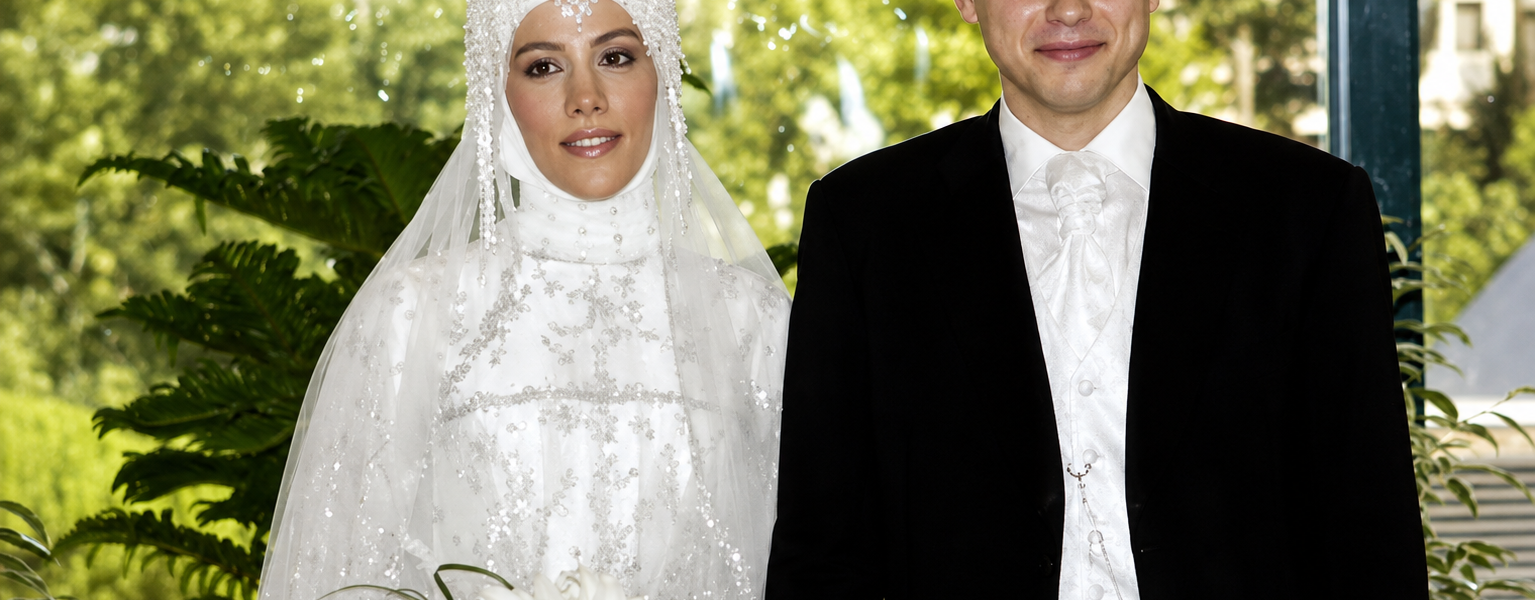

Esra Erdoğan, more commonly known as Esra Erdoğan Albayrak, is a Turkish sociologist, education administrator, and civil society figure. Born in Istanbul in 1983, she has developed a professional profile connected with sociology, education, social development, and nonprofit organizations. She is the daughter of Recep Tayyip Erdoğan and Emine Erdoğan and is married to Berat Albayrak, Türkiye’s former Minister of Treasury and Finance. Her family background has made her a widely recognized public figure, but her own academic and professional work has also become an important part of her biography.
Esra Erdoğan’s career combines academic research with leadership in educational and civil society organizations. She studied sociology and history at Indiana University Bloomington before completing graduate studies in sociology at the University of California, Berkeley. Her research interests have included religion-state relations, comparative education systems, civil society, democracy, dependency, and decolonization. She has also taken leadership roles in organizations working in education, youth development, and social responsibility, making her career broader than her political-family connections alone.
Esra Erdoğan Early Life and Family
Esra Erdoğan was born in Istanbul in 1983. She is one of the children of Recep Tayyip Erdoğan and Emine Erdoğan and grew up in a family that later became one of the most prominent political families in modern Türkiye. Her siblings include Ahmet Burak Erdoğan, Necmettin Bilal Erdoğan, and Sümeyye Erdoğan Bayraktar. Her family circumstances naturally brought public attention to her life, particularly as her father became a major figure in Turkish politics.
Esra Erdoğan married Berat Albayrak on July 11, 2004. Berat Albayrak later served in senior Turkish government positions, including Minister of Energy and Natural Resources and Minister of Treasury and Finance. Esra Erdoğan therefore became publicly known as Esra Erdoğan Albayrak. TÜRGEV’s current biography describes her as married and the mother of four children, while her professional life has continued alongside her family responsibilities.
Esra Erdoğan Education and Academic Background
Education is one of the most important parts of Esra Erdoğan’s biography. She completed her secondary education at Kadıköy İmam Hatip High School in Istanbul in 2000. She then moved to the United States for higher education and attended Indiana University Bloomington, where she completed undergraduate studies in sociology and history in 2003. Her university education gave her a strong foundation in understanding social institutions, culture, history, and political life.
Her academic journey continued at the University of California, Berkeley, where she completed graduate work in sociology. Her academic curriculum and research eventually led to a doctorate focused on cultural and political sociology. Her Berkeley work became particularly important because it examined the relationship between education, religion, gender, mobility, and secularism in Türkiye. This academic background remains closely connected to the subjects she later addressed through educational and civil society activities.
Esra Erdoğan Sociology Research and PhD
Esra Erdoğan’s doctoral research provides an important insight into her intellectual interests. Her dissertation, titled “Creating Cultures of Piety: Secularism, Mobility, Gender and the IHL Schools in Turkey 1951-2010,” examined Imam Hatip schools and their relationship with broader social and political developments. The research explored questions involving secularism, religion, education, gender, and social mobility rather than treating education as an isolated institutional issue.
The dissertation was completed at the University of California, Berkeley, within the sociology department. Her research demonstrates why religion-state relations and comparative education systems became recurring themes in her academic interests. TÜRGEV’s biography identifies these subjects among her principal areas of academic interest, while more recent professional profiles also mention civil society, democracy, and decolonization. Her academic work therefore connects naturally with her later involvement in education and social development.
Esra Erdoğan Career in Civil Society
Alongside her academic career, Esra Erdoğan has developed substantial involvement in civil society. TÜRGEV states that she has participated in numerous projects with national and international nongovernmental organizations since 2013. Her work has focused on projects intended to create social impact, particularly in areas involving education, young people, and wider community development.
Her professional history has included responsibilities connected with TÜRGEV and other organizations. A published curriculum vitae records her involvement with the NUN Education and Culture Foundation, TURKEN Foundation, TÜRGEV, the Turkish Green Crescent Society, and other institutions. These roles demonstrate a career pattern in which education and social responsibility have remained closely connected. Rather than following a conventional private-sector career, she has concentrated much of her professional activity on nonprofit, educational, and social institutions.
Esra Erdoğan and TÜRGEV
TÜRGEV, the Turkey Youth and Education Service Foundation, is another significant part of Esra Erdoğan Albayrak’s public career. She has served as a member of its board, and the organization’s current biography lists her as both a board member and a member of its General Assembly. TÜRGEV describes its broader mission as supporting young people and encouraging them to research, question, learn, produce, and understand their history and goals.
Her association with TÜRGEV reflects her long-standing interest in youth and education. Her involvement has included projects designed to contribute to educational opportunities and social development. Because her academic background is rooted in sociology and education-related research, her nonprofit activities complement rather than stand apart from her academic interests. This combination has become one of the defining characteristics of Esra Erdoğan Albayrak’s professional identity.
Esra Erdoğan and NUN Education and Culture Foundation
The NUN Education and Culture Foundation has become one of the central institutions in Esra Erdoğan Albayrak’s career. She serves as Chair of the Board of Trustees, placing her in a senior leadership position within an organization focused on education and culture. Her work through NUN has brought her into discussions involving educational development, teachers, students, social values, and the changing needs of modern education.
Her leadership at NUN also connects with wider educational conversations. The organization has been associated with programs and events that bring educators together to discuss current challenges and future possibilities in education. Esra Albayrak’s public profile through these activities shows an emphasis on education as a long-term social investment. Her role is particularly notable because it combines institutional leadership with the academic perspective she developed through years of sociological study.
Esra Erdoğan and Green Crescent
Esra Erdoğan Albayrak has also been associated with Türkiye’s Green Crescent, known as Yeşilay, an organization involved in preventing addiction and promoting healthier communities. Her professional records identify her as having served on the organization’s board. More recent biographical information also records her involvement with the Green Crescent Foundation’s governing structure following its 2024 general assembly.
This aspect of her career is significant because it broadens the picture of her civil society work. Her activities have not been limited to formal education. Addiction prevention, social awareness, youth development, and community well-being are also areas where nonprofit organizations can have a major role. Her association with Yeşilay therefore fits into the wider pattern of social-impact work that has characterized her professional life.
Esra Erdoğan and Education in Modern Society
Education remains a central theme in Esra Erdoğan’s professional activities. Her academic research examined educational institutions through the lens of sociology, while her later leadership roles have involved managing and supporting educational initiatives. This gives her career an unusual continuity, with education appearing both as a subject of scholarly research and as a practical field of institutional work.
Her more recent public profile also reflects interest in changing educational conditions. Contemporary education faces questions involving technology, digitalization, artificial intelligence, social change, cultural identity, and the relationship between traditional knowledge and new forms of learning. Her work through NUN and participation in education-focused events place her within these wider discussions. Her approach can therefore be understood through the intersection of sociology, education leadership, and civil society.
Esra Erdoğan and the World Decolonization Forum
In 2026, Esra Albayrak appeared as a participant at the World Decolonization Forum in Istanbul. The forum focused on decolonization and broader questions concerning knowledge, culture, history, and global intellectual relationships. The official forum profile describes her as a Turkish sociologist and civil society and education figure, while also identifying her role as Chair of the Board of Trustees at the NUN Education and Culture Foundation.
Her participation in the forum reflects the continuing development of her academic interests. Decolonization connects with questions about whose knowledge is recognized, how educational systems are shaped, and how societies understand their own histories and cultural experiences. These themes are consistent with the broader academic interests associated with her work, including comparative education and religion-state relations. Her appearance at the 2026 forum therefore provides another example of her movement between academic ideas and public educational discussions.
Esra Erdoğan’s Current Role and Public Profile
Today, Esra Erdoğan Albayrak is best understood as a sociologist and education-focused civil society leader whose public identity has several dimensions. Her family connection remains an important part of her biography, but her academic qualifications and professional activities provide substantial additional context. She has studied at major American universities, completed doctoral research in sociology, and held leadership and board responsibilities in organizations connected with education and social development.
Her current work continues to center on education and social impact. She remains associated with TÜRGEV and leads the NUN Education and Culture Foundation, while her wider professional profile includes involvement with civil society and the Green Crescent. Her participation in educational and intellectual forums during 2026 also indicates that she remains active in discussions about the future of education and society.
Conclusion
Esra Erdoğan Albayrak has built a public career that combines family prominence with academic training and nonprofit leadership. Born in Istanbul in 1983, she studied sociology and history at Indiana University and later completed graduate studies in sociology at the University of California, Berkeley. Her doctoral research on secularism, gender, mobility, religion, and Imam Hatip schools in Türkiye established a scholarly foundation that continues to influence the subjects associated with her professional life.
Her work with NUN, TÜRGEV, the Green Crescent, and other civil society initiatives has made education and social development central to her public profile. Recent involvement in international discussions such as the World Decolonization Forum further demonstrates her interest in broader questions of knowledge, culture, education, and society. For anyone researching Esra Erdoğan, Esra Erdoğan Albayrak, her education, career, family background, or social work, her story is best understood not through a single role but through the combination of sociology, education leadership, and civil society engagement.